

Yesterday, a family tragedy occurred in the Jalilabad district. Adolescents aged 14 and 15 were hacked with an axe. Their uncle is suspected of committing the incident. One of the adolescents died. According to the relatives of the victims, the uncle who injured the children was an alcoholic. It is said that he was intoxicated at the time of the incident. It is also reported that he had recently been released from prison.
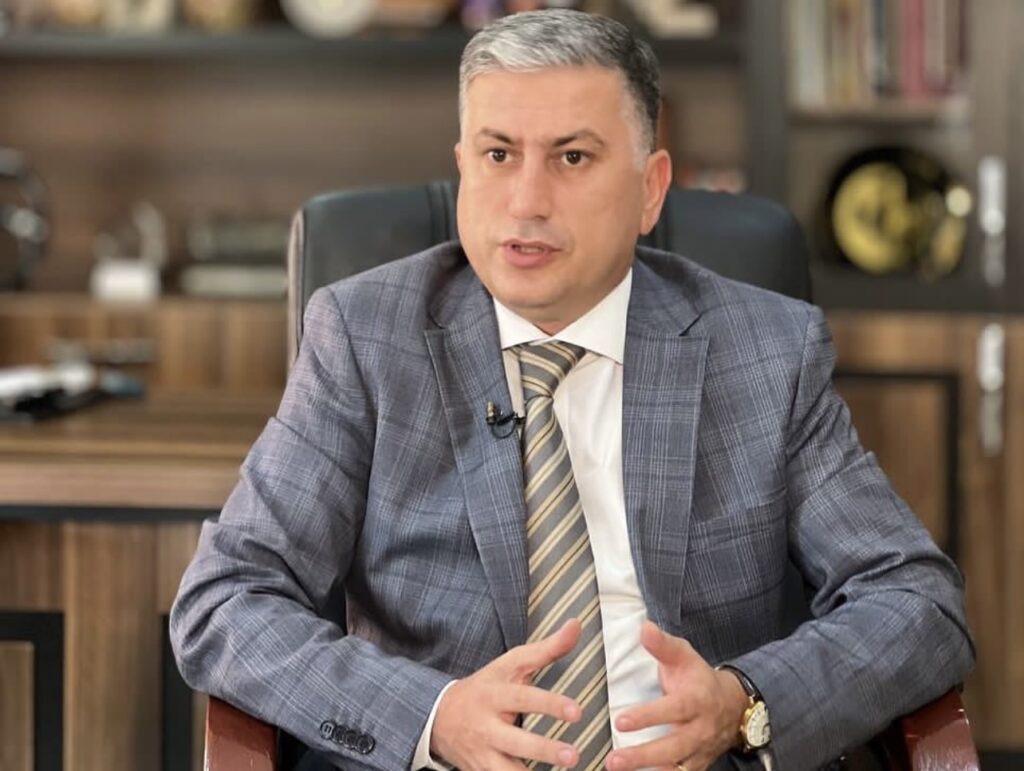
The head of the Psychology Scientific-Research Institute, Elnur Rustamov Medianews.az emphasized in his statement that such incidents are extremely heavy and shocking not only for one family or one generation but for society as a whole.
According to the psychologist, both individual psychological factors and long-accumulated social and behavioral risks overlap here: “It is important to approach the issue not emotionally, but from a scientific-psychological perspective so that similar tragedies can be prevented in the future. Alcohol dependence has multifaceted and deep effects on human behavior. Alcohol weakens the self-control, responsibility, and empathy mechanisms located in the frontal parts of the brain. A person cannot control impulses when intoxicated, does not properly assess risks, and aggressive reactions emerge more quickly.
Especially during long-term alcohol dependence, personality changes occur: impatience, emotional coarseness, suspiciousness, anger outbursts, and an inclination toward violent behavior increase. At this time, violence is not accidental but transforms into a psychologically predictable result.
Such tragic incidents are generally not explained solely by the factor of alcohol. Often, antisocial behavioral traits, impulsivity, a history of violent behavior, prison experience, problems with emotional regulation, personality disorders, and severe stress factors collectively play a role. Alcohol acts as a catalyst that "triggers" these risks. In other words, the problem is not only alcohol but the psychological structure affected by alcohol.
Before posing a danger, such individuals usually give certain behavioral signals. Sudden changes in behavior, aggressive jokes, frequent anger, threats and intimidation toward family members, "normalizing" previous violent episodes, uncontrollable behavior after alcohol consumption, avoidance of responsibility, and thoughts like "everyone is against me" are among these signals. Unfortunately, family and close surroundings often interpret these signs as "temporary states" or "effects of alcohol" and fail to intervene in time.”

Elnur Rustamov stated that prevention at the societal level should not be limited only to legal punishment mechanisms: “Early psychological assessment, mandatory rehabilitation programs for individuals in risk groups, transforming alcohol dependence treatment centers into real functioning mechanisms, and coordination between family doctors, psychologists, and social services are essential. Particularly, individuals with a history of violent behavior and alcohol dependence should not be left uncontrolled, and their behavioral risk should be systematically monitored.
Public education also plays an important role: people need to know that ignoring such behavioral signals may cause tragedies in the future.
The psychological rehabilitation of adolescents subjected to physical violence is a phased and long-term process. These children may develop not only physical trauma but also deep psychological shocks, loss of safety, trust disorders, post-traumatic stress symptoms, and feelings of guilt.
The rehabilitation process should begin primarily with ensuring a safe environment. The child should feel protected and listened to. Then trauma-focused psychotherapy, methods facilitating emotional expression, parallel psychological work with the family, and long-term observation are essential. Especially because violent incidents during the adolescent period have a serious impact on future personality formation, the main goal for these children should be not "forgetting" but "healthy processing.”
According to Elnur Rustamov, such tragedies once again show us that violence does not arise suddenly: “It has psychological roots, behavioral signals, and preventable stages. Timely psychological intervention, a responsible public stance, and a systematic approach are the only ways to prevent such heavy losses.”
Nailə Qasımova,
Medianews.az