
The war in Iran is increasing energy and fertilizer costs. This raises concerns that food inflation will rise again. It is expected that the heaviest burden of the war will fall on the poorest and import-dependent countries.
According to Milli.Az, while joint attacks by the USA and Israel against Iran continue, the world is effectively locked onto the movement of ships in the closing Strait of Hormuz. Under normal conditions, one-fifth of the world's crude oil and liquefied natural gas (LNG) passes through this strait. However, there is a more critical cargo currently impossible to transport: fertilizer.
Gulf countries such as Qatar, UAE, Kuwait, and Saudi Arabia supply 20% of the global fertilizer trade.
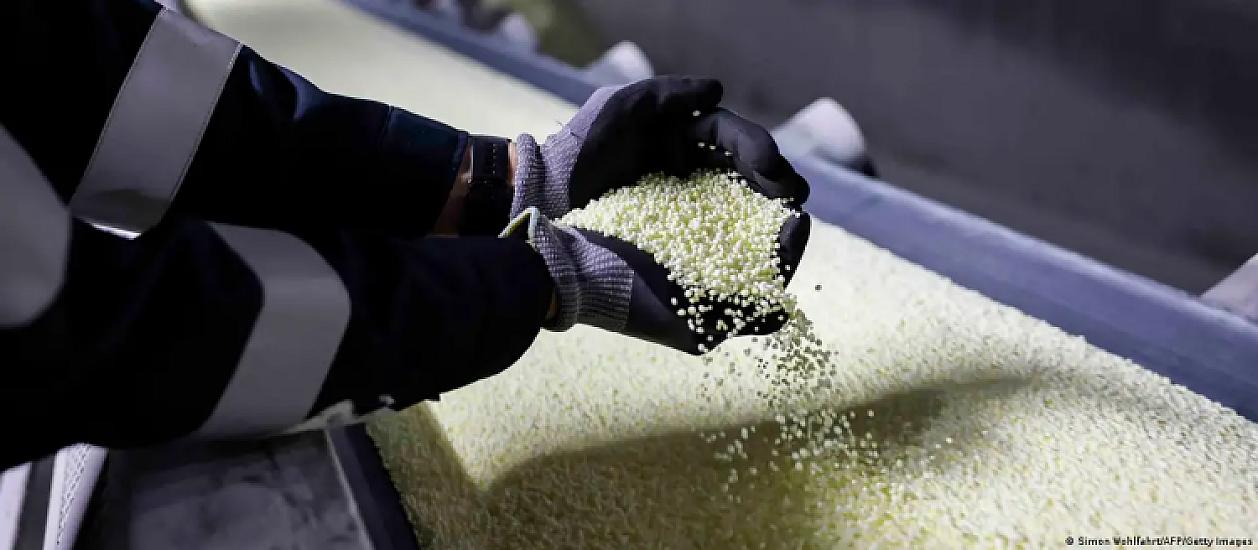
Approximately half of the world’s most widely used nitrogen fertilizer, urea, comes from this region. Attacks on Ras Laffan, an important hub in Qatar, have halted production.
According to the UN Conference on Trade and Development (UNCTAD), more than 1 million tons of fertilizer are exported annually through this strait. Even a one-month closure of the strait could sharply reduce productivity in corn, wheat, and rice production.
Researcher Joseph Glauber notes that rising fertilizer prices will affect farmers’ choices. Especially in poor countries, farmers will use less fertilizer because it is expensive, which will seriously damage agricultural production.
The biggest losers of the war: Poor countries
India: Meets two-thirds of its nitrogen fertilizer needs from the Gulf. The production of rice and wheat, the main food for its 1.4 billion population, is at risk.
Brazil: Supplies 40% of its nitrogen needs with urea from Gulf countries. Supply disruptions threaten soybean and corn harvests.
Tropical Africa: Fertilizer use in this region is already low. Even a slight increase in prices could deepen chronic hunger.
Iran: Inflation within the country had already exceeded 40%. War, logistical problems, and energy costs will make life even harder for Iran's 92 million population.
Gulf countries (UAE, Qatar, etc.), which import 80-90% of their food, face the danger that their strategic reserves could run out in a few months. This might force rationing of food or resorting to more expensive transportation methods.