
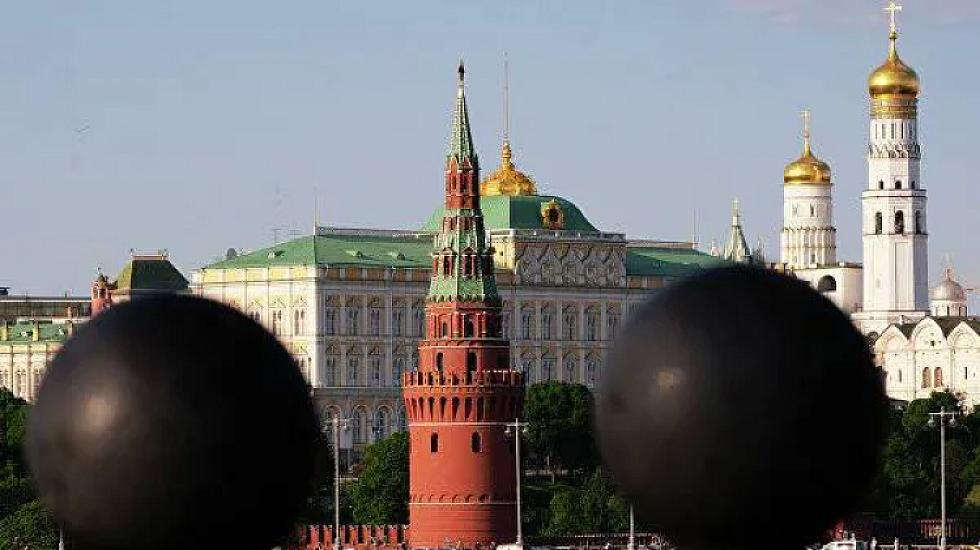
Alongside waging an aggressive war against Ukraine, Russia is also trying not to "forget" the South Caucasus and Central Asia. The Kremlin is doing its best to ensure that the party of Prime Minister Nikol Pashinyan is defeated in the parliamentary elections held in Armenia on Sunday.
In the past month, Russia's pressure on the Armenian government has increased, agricultural product imports have been banned, and the Kremlin is threatening Yerevan by raising gas prices. Despite these pressures, surveys conducted in Armenia indicate that Pashinyan will win.
Meanwhile, the Kremlin's attention to Afghanistan has also increased. The Kremlin has signed a military-technical cooperation agreement with the Taliban movement currently in power in Afghanistan. The agreement was signed by Sergey Shoigu, Secretary of the Security Council on the Russian side, and Afghanistan's Defense Minister Mohammad Yaqoob on the Afghan side. Mohammad Yaqoob is the son of Mullah Omar, the founder of the Taliban. This document was signed at an international security forum held in the Moscow region. Interestingly, until recent years, the Taliban movement was on Russia's list of terrorists. The Russian Supreme Court decided in 2025 to suspend the enforcement of the ban on the Taliban as a terrorist organization within Russian territory.
The Taliban show interest in cooperating with Russia in various areas. According to the agreement reached between Moscow and the Taliban, Russia will supply weapons to Afghanistan. In addition, the Taliban need investments and the implementation of joint economic projects. Millions of Afghans who once took refuge in Pakistan and Iran have been forcibly sent back to their country, which has further worsened the situation of poor Afghanistan. On the other hand, relations between the Taliban and Pakistan are tense, with frequent clashes at the border, resulting in casualties on both sides. In such a situation, the Taliban need more allies. Although the Kremlin does not take sides between Afghanistan and Pakistan, the military cooperation agreement signed with the Taliban has caused concern in Islamabad.
Moscow is ready to expand cooperation with the Taliban. The Russian government's aim in expanding cooperation with the Taliban is to prevent Western countries from strengthening their positions in Afghanistan. Although China is nominally a partner of Russia, the Kremlin is also concerned about Beijing's strengthening influence in Afghanistan. China is trying to benefit from Afghanistan's underground resources. China and Russia are rivals in Central Asia. The Kremlin does not want to lose to Beijing in the competition over Afghanistan either. The Kremlin also supports Kabul on an important issue. Sergey Shoigu has called on Western countries to unfreeze Afghanistan's frozen assets and to provide financial support for the country's reconstruction. It is hard to expect a positive response from the West to this call.
Elkhan Shahinoglu,
political analyst