
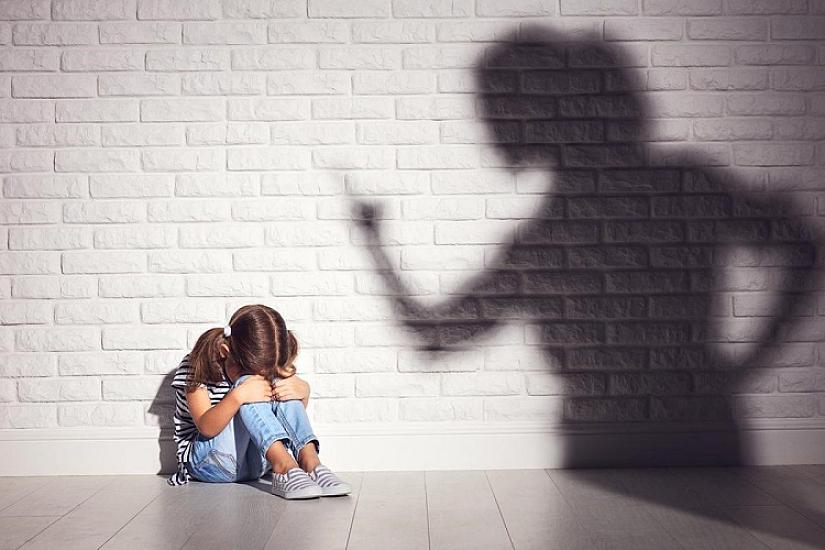
The topic of students with behavioral problems has recently come up frequently. Whenever an incident occurs, this issue is discussed again. Aggressive behavior at schools, disrupting lessons, and disrespecting teachers and classmates seriously concern both parents and the education community. Amendments to the legislation regarding children's rights, including provisions for punishments related to aggressive behavior and disciplinary methods against children, have also sparked broad discussions.
According to Medianews.az, Jeyhun Mammadov, a member of the Science and Education Committee of the National Assembly, gave a statement to Musavat.com on this current topic.
“Many parents think that it is very important to identify such children in time. Because the earlier the problem is detected, the easier it is to work with it. Some propose creating special schools for these children, others believe that having separate classes in ordinary schools would yield better results. But one thing is clear: the problem is not solved by merely punishing these children. Often behind these behaviors lie family problems, psychological tension, lack of attention, or the environment in which the child is raised. So, this is not just about discipline; the issue is much deeper.”
The deputy noted that in recent years, protecting children's rights in schools has also gained more attention: “Now it is forbidden not only to raise a hand against a child but even to insult, humiliate, or embarrass them in front of the class. The goal is for the school to be a safe place for the child. Changes have been made in the legislation on this issue. Now both teachers and parents bear certain responsibilities. However, societal attitudes toward this matter are not unanimous. Some say that a teacher should never act strictly. It is particularly thought that psychological pressure seriously harms the child. Others believe that teachers must have certain means of influence in order to maintain discipline.”
According to J. Mammadov, the main point is actually to find a common ground: “Both the child's rights should be protected, and the teacher should be able to conduct the lesson normally. A student should be encouraged for good behavior and, when they make mistakes, guided without violence, primarily through explanation and education. Looking at global experience, we see that many countries already work systematically in this area. For example, in some countries, when a problem is detected in a child, the teacher, psychologist, and social worker start working together. The aim is to solve the problem before it grows. In some places, there are special classes or schools. But the goal is not to segregate the child but to reintegrate them into the general environment later. In other models, the child studies in a regular class while also participating in additional support programs.”
The deputy noted that steps can be taken in this direction in our country as well: “For example, pilot projects can be initiated first in large cities. Psychological support services in schools can be strengthened, and separate classes or programs can be created. It is not necessary to build new schools for this. The training of teachers in this field is very important because working with behavioral problems requires a special approach. At the same time, parents should also be active in this process. It is difficult to achieve results without cooperation with the school. Another thing to consider is that gathering all such children in one place does not always yield good results. If not managed properly, they may negatively influence each other. Therefore, an individual approach for each child is more effective. Working separately with parents, psychological support programs, individual and group sessions can also produce good results in this area.”
In conclusion, J. Mammadov summarized his thoughts this way: “The solution lies neither in strict punishments nor in complete freedom. The most correct approach is balance. That is, there should be rules, but the child should also receive understanding and support. The school should not be a place where the child is afraid but an environment where they feel comfortable and develop. New approaches regarding children with behavioral problems have already turned from a choice into a necessity. The goal is not to punish the child but to properly guide them and raise them as a beneficial individual for society in the future.”