

Insomnia not only causes fatigue and confusion but also triggers a more frightening biological process.
According to a scientific study published in "The Journal of Neuroscience," when deprived of sleep for a long time, our brain cells begin to consume their own structural elements to meet energy needs and survive.
Under normal conditions, support cells (astrocytes) responsible for "cleaning" the brain and removing "waste" lose control during insomnia and start consuming healthy neural connections and synapses through a process called phagocytosis.
Sleep is essentially a massive sanitation and toxin clearance process (glymphatic system) that the brain conducts during its nightly shift. In this process, memory is strengthened, metabolic balance is maintained, and neural networks are restored. However, in chronic insomnia, this delicate balance is disturbed: memory loss, difficulty concentrating, and cognitive decline intensify.
How accurate is the phrase "the brain eating itself" scientifically, and how can this process be explained in simple terms? At which stage does the activation of phagocytosis during insomnia reach a dangerous threshold? Are these changes reversible, or after a certain stage do they lead to permanent damage for the brain? During which stages of sleep (REM, deep sleep) is the glymphatic system more active? How is long-term insomnia related to Alzheimer’s and other neurodegenerative diseases?
Medianews.az approached neurologist Dr. Durna Alakbarova with these questions.

D. Alakbarova stated that sleep disturbances are one of the topical problems of recent times: "Now, such complaints are encountered not only among the elderly and middle-aged people but also in children.
When sleep disorders are approached superficially, it later leads to other brain diseases, both degenerative and vascular diseases.
Recently, one of the causes of sleep disorders is the negative impact of social networks. Because people become dependent on social networks. Even when patients are advised to use their phones less, they say, doctor, I get sleepy after looking at the phone. In fact, this is not true. If one feels temporarily sleepy after using the phone, once this period passes, phone radiation can cause the destruction of cells in the brain and lead to the accumulation of toxins there. This results in chronic sleep disturbances. Therefore, maximum attention must be paid to the sleep phase.”
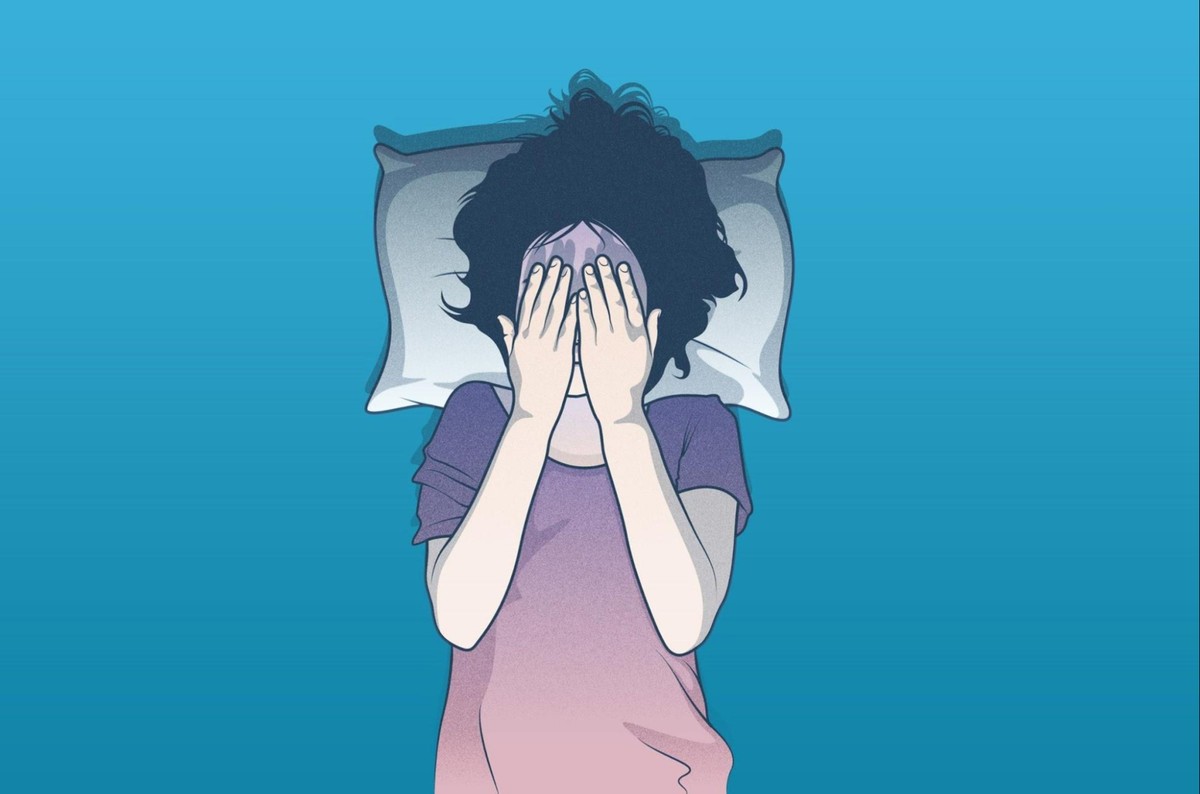
The neurologist noted that sleep is not passive but active rest: "During sleep, the brain's biomechanisms are activated. We call this the glymphatic system. The brain’s lymphatic drainage system starts functioning. When sleeping, physiologically, the activities of other organs, such as the respiratory and cardiovascular systems, weaken. At the same time, there is no stress on the brain.
During the day, when engaged in an active, tense work mode, toxic cells accumulate in the brain. By toxic cells, we mean beta-amyloid and tau proteins. However, during sleep, toxins break down in the brain through the lymphatic drainage function and are removed from the body.
The quality of sleep must be good. That is, the sleep duration alone is not crucial. Sleeping 8-9 hours is not a condition. The condition is that the body enters deep sleep and that the glymphatic system (cleaning mechanism) starts functioning.”

According to the doctor, insomnia can cause hypoxia in the brain, that is, oxygen deficiency, an increase in inflammatory mediators, and accumulation of toxic substances: "As a result of these occurrences during sleep disorders, in the future other diseases, especially neurodegenerative diseases of the nervous system, Alzheimer's disease, can arise in the body.
Sleep disruption is of two types. Short-term disruption can be eliminated by prescribing a certain regimen. The second is a deepened, chronic sleep disorder. This is a serious signal. This process is a warning both for the patient and the doctor that irreversible processes are occurring in the brain. For example, attention and memory weaken. We call this cognitive function decline.
In people with somatic and chronic diseases, pain increases in the evenings. Sleep disorders cause pain to become more active. Along with this, the risk of vascular diseases also increases. When we talk about vascular diseases, we can mention stroke and Parkinson's. Our patients suffering from stroke complain about sleep disorders. This ultimately accelerates the accumulation of both toxic substances in the brain and factors we call inflammatory mediators. In the end, vascular blockage occurs, or the quality of the vessels deteriorates.”

D. Alakbarova emphasized that restoring normal sleep is very important: "In children, growth hormone levels increase during sleep. In middle-aged, young, and elderly people, the brain is cleansed during sleep, and harmful substances are removed from the brain. It's as if the brain is renewed. A person starts the next day with a cleansed, active brain. For this reason, sleep disturbances must be taken seriously. If timely measures are not taken, when chronic sleep disorder and stroke develop, managing the brain becomes very difficult. As a hospital physician, I often encounter such cases. The situation reaches the point where even sleep medications do not work for the patient. Therefore, the problem must be addressed timely. As much as possible, one should stay away from social networks in the evenings."
Nailə Qasımova,
Medianews.az