
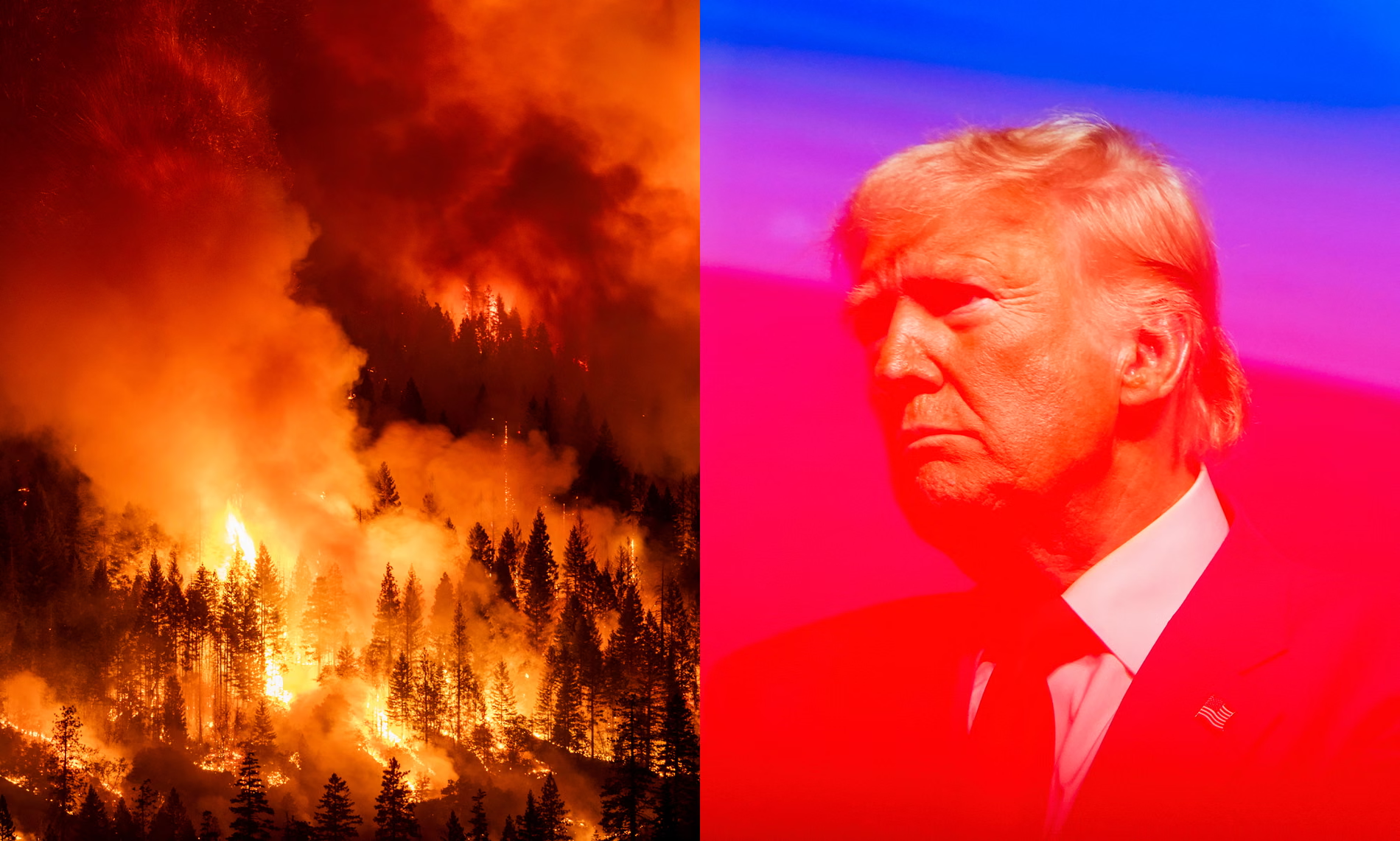
An editorial titled "Trump risks igniting a nuclear core" has been published in the U.S. "New York Times" newspaper.
Medianews.az reports that the article emphasizes that the world is stepping into a new and more dangerous nuclear era: "The term of the last major treaty limiting strategic nuclear weapons between the U.S. and Russia has expired. This means that the mechanisms that ensured nuclear stability for nearly half a century have effectively disappeared. Instead, what remains is the threat policy, power display, and open arms race conducted by the Trump administration."
The article states that the U.S. leadership acts under the logic of "more nuclear weapons — more security": "The reactivation of additional launch devices on submarines, placing more warheads on intercontinental ballistic missiles, and even the reinstatement of underground nuclear tests, which have been suspended since 1992, are being discussed. Such steps could more than double the U.S. nuclear arsenal and could push other major powers to follow the same path."
Although the administration bases this policy on the growth of China's nuclear arsenal, the "New York Times" does not find this convincing. The article stresses that China is still far behind the U.S. and Russia, and the abolition of the existing restrictions does not force Beijing to negotiations but rather accelerates the new arms race. As a result, instead of bringing its rivals to the negotiating table, the U.S. enters an uncontrolled race alongside them.
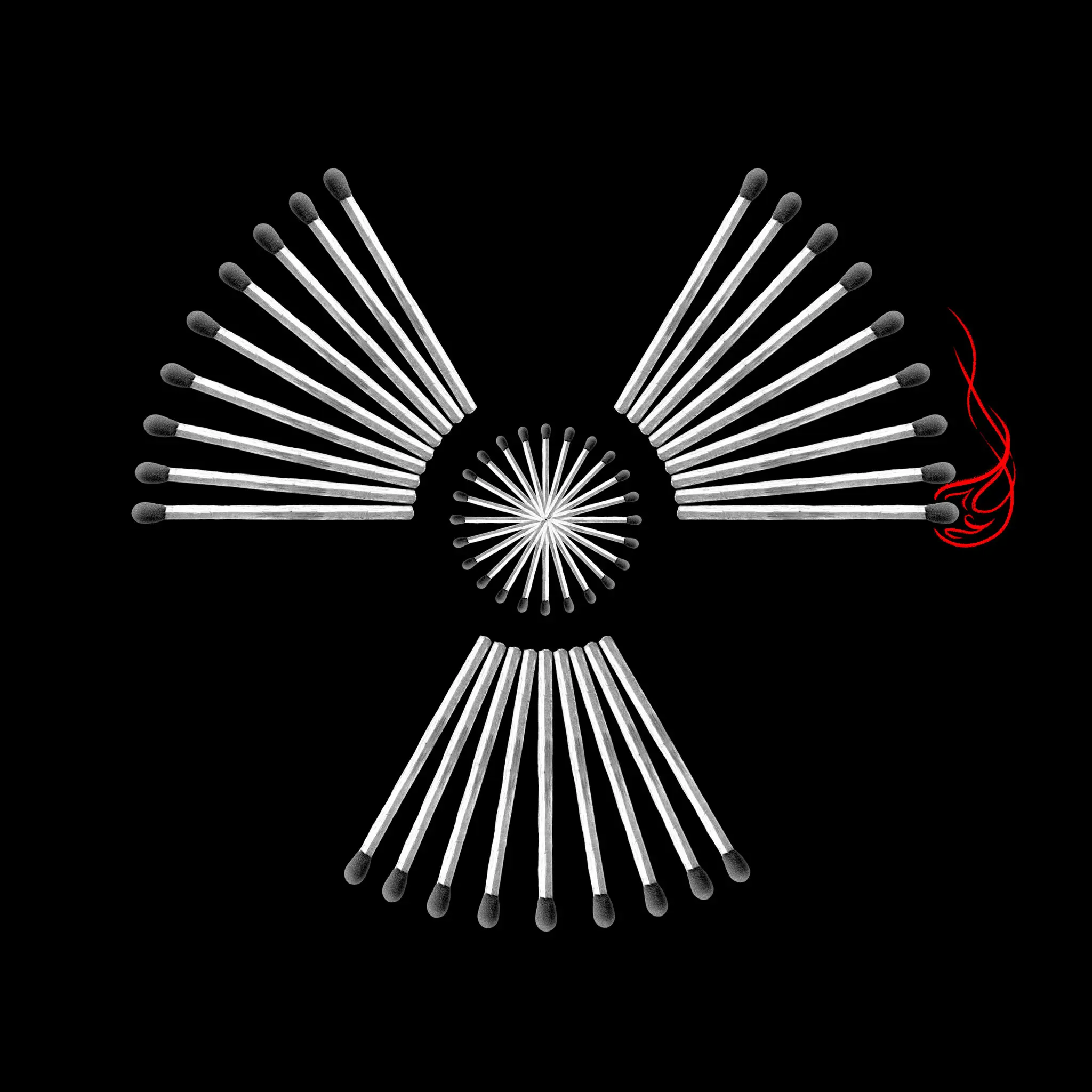
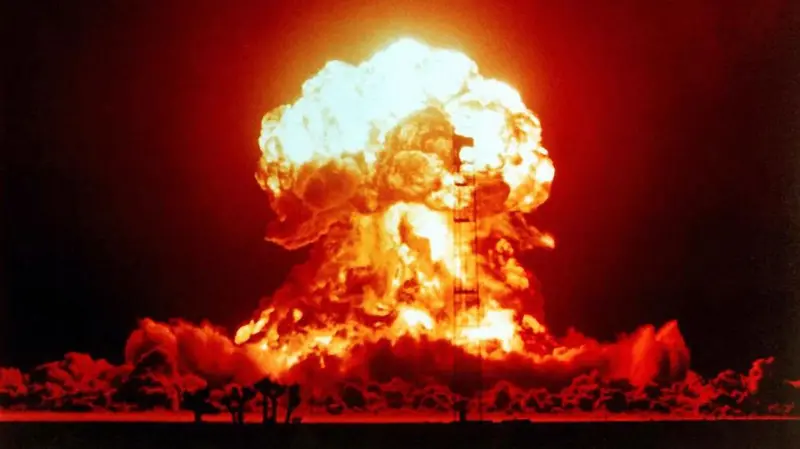
The article identifies the possible resumption of nuclear tests as the most dangerous issue. It reminds that the U.S. has already conducted thousands of tests, has an adequate data base, and that new explosions would not provide a serious military advantage. However, it notes that such a step could destroy the global norm, push Russia and China to tests as well, and cause ecological and humanitarian consequences.
The article states that the U.S.’s uncertain stance causes concern among allies as well: "Some leaders in Europe, doubting U.S. reliability, have begun discussing the broader security umbrella provided by France's nuclear potential. The expansion of nuclear 'threats' further increases the risk of miscalculations and accidental escalation."
At the end of the article, an alternative path is shown: The U.S. should renounce nuclear tests, continue the mutual agreement on strategic nuclear weapons restrictions with Russia, even if informally, and should not start a new race using China as an excuse. At the same time, the article calls for strengthening the role of the U.S. Congress: "Because currently the decision on nuclear war remains in the authority of one person, which is a serious risk for democracy and global security."