
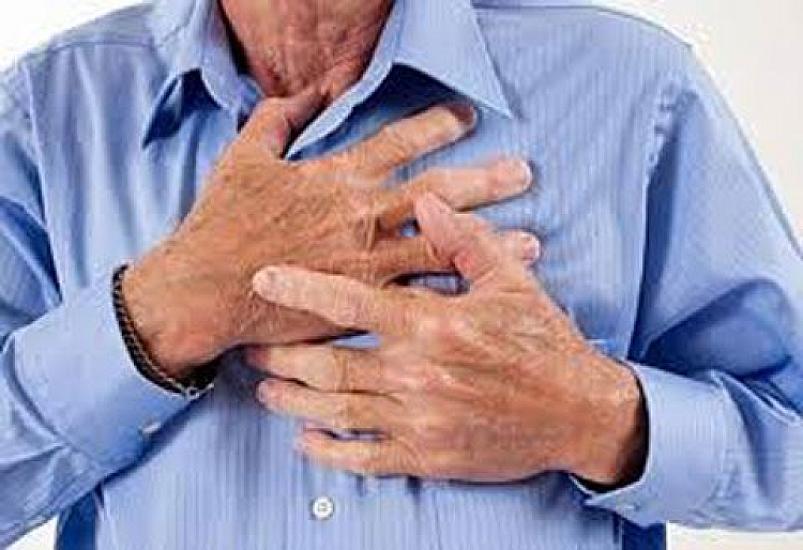
Extensive observations conducted by modern medical science show that exacerbations of cardiovascular diseases and sudden heart attacks are more frequently observed in certain age groups, which is directly related to physiological changes occurring in the body. According to cardiologists, especially in men from the age of 40, and in women from the age of 50 when hormonal changes begin, the probability of certain problems arising in the blood supply to the heart muscle sharply increases.
Medianews.az, citing Foodinfo.az, reports that during these mentioned age periods, the decrease in the elasticity of blood vessels and the acceleration of cholesterol accumulation processes are among the main factors that bring the risk of heart attacks to a maximum level. Doctors emphasize that a sedentary lifestyle, unhealthy diet, and constant stress factors bring this dangerous threshold to earlier ages, seriously endangering heart health.
Ignoring minor discomforts in heart function, shortness of breath, and chest pains can later lead to severe irreversible complications and life-threatening conditions. For preventive purposes, regularly monitoring blood pressure and undergoing at least one specialist examination annually is the most effective method to timely prevent heart attacks. Reducing the amount of salt and saturated fats in the diet, while preferring fresh vegetables and products rich in omega-3 fatty acids, is one of the important factors protecting vascular health. Cardiologists note that increasing physical activity and daily walking not only strengthen the heart muscle but also significantly improve the efficiency of blood circulation.
Quitting tobacco products and alcoholic beverages is the most reliable means of increasing the overall resistance of the body and preventing premature aging of the cardiovascular system. Proper regulation of the sleep regimen and adequate rest of the body are also among the important factors that reduce the workload of the heart and relieve tension. Scientists prove that forming healthy habits from an early age reduces the likelihood of encountering heart problems in the elderly by tenfold.
Expanding educational activities on heart health in society serves people’s more responsible attitude towards their bodies and timely receipt of medical care. Every individual should know their personal risk factors and, if there is hereditary predisposition, apply stricter protective measures to strive for a healthy life. Thus, small timely steps to protect heart health are the most correct path leading to great life rescues and longevity in the future. Ultimately, a healthy heart is the foundation of both physical strength and the joy of life, so taking special care of it is a moral duty of every person.