
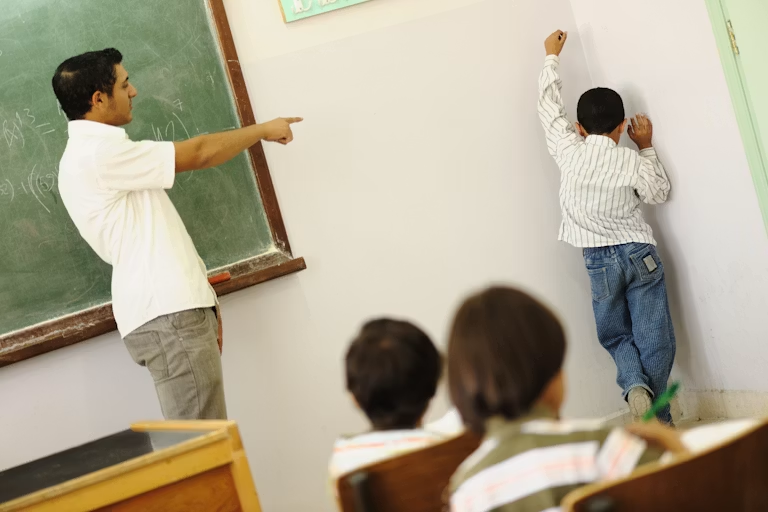
In Azerbaijan, parents, teachers, and other responsible persons who commit physical and psychological violence against children will be fined 200 manat. The new rules are reflected in the article added to the Code of Administrative Offenses approved by President Ilham Aliyev. How effective will fining teachers and parents be in preventing violence against children? Could such decisions further aggravate relations in the education process and lead to new problems?
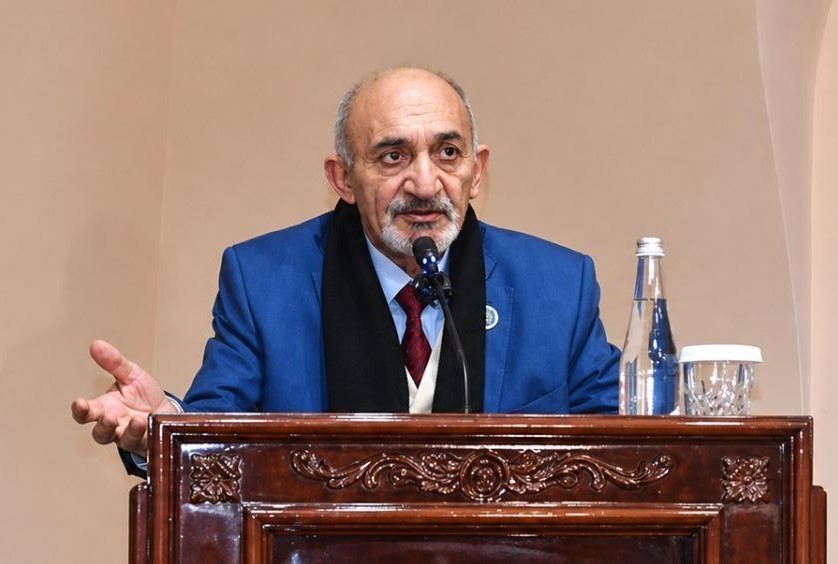
In a statement to Medianews.az on the topic, education expert Shamsi Qoça said that the issue of fining teachers for violating rules of conduct is a very sensitive and controversial approach in terms of the essence of education and the prestige of teachers.
According to him, although the administrative fine mechanism theoretically appears as a tool for regulating order and discipline, in the pedagogical environment, this may create additional psychological tension among teachers and limit their initiative:
“The teacher acting out of fear of fines in their work can seriously hinder establishing free and creative communication with students and creating a healthy environment in the classroom. Since the education system is directly related to human psychology and development, promoting ethical and corporate standards rather than administrative punishment can yield more effective results.”
The education expert noted that the model applied in Kazakhstan takes a completely different perspective on the issue and directs attention to preserving the teacher's prestige:
“Holding the student or parent accountable for disrespect towards the teacher creates conditions for mutual respect to be established in the school environment and allows the teacher to feel more secure. The quality of education directly depends on how valuable and protected the teacher feels in society. Instead of fining the teacher, it is more expedient to create a legal framework to prevent actions that undermine their prestige.”
Sh. Qoça emphasized at the end that for ensuring order and discipline in the education system, it is important that both parties — the teacher and the student — clearly know their responsibilities and rights:
“Financing the teacher may temporarily establish order and discipline, but in the long term, it will create coldness and mistrust in teacher-student relations. The real solution lies in forming an environment that protects the professional prestige of the teacher and strengthens their position in front of students and parents. Such an approach would help turn the school into a platform of mutual respect and cooperation rather than an environment of fear.”
Oğuz Ayvaz
Medianews.az