
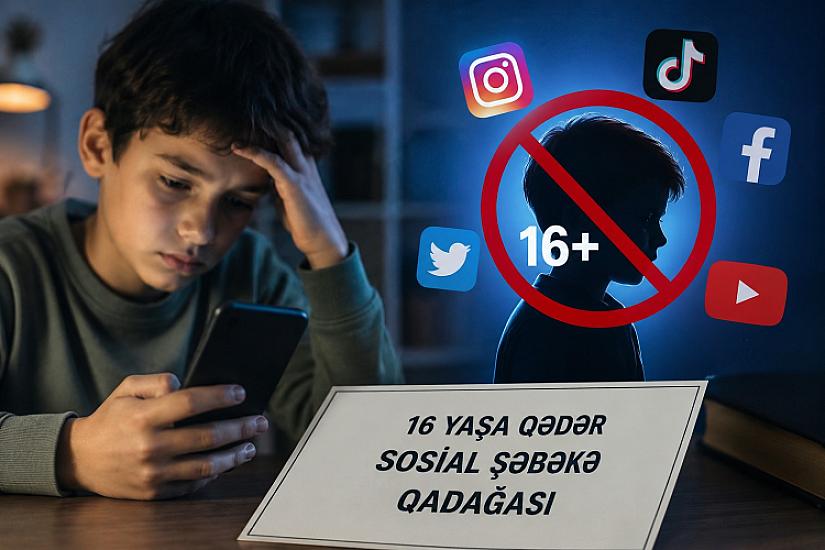
Amendments are being made to the Administrative Offenses Code, the "Information, Informatization and Information Protection" and "Protection of Children from Harmful Information" laws.
The main goal is to prevent the creation of social network accounts by persons under the age of 16.
Can the prohibition system alone be effective in protecting children from harmful information? What steps should be taken within the family-kindergarten-secondary school triangle to properly guide children?

The chairman of the Psychology Research Institute, psychologist Elnur Rustamov told Medianews.az that the main purpose of the proposed changes is to protect children from harmful information, increase their safety in the digital environment and minimize the risks posed by social networks: "Although this goal is positive and important, from a psychological perspective the issue should be viewed through a broader prism. Prohibition and restriction mechanisms alone are not sufficient to fully protect children from harmful information. In the modern era, the internet and digital technologies have become an inseparable part of children’s daily lives. Experience shows that although prohibitions may be effective for a certain period of time, children and adolescents find alternative ways to access such content again. Therefore, the main goal should not only be restricting access, but also developing the ability to make proper choices in children.
Today the danger is not only the presence of harmful content, but how the child perceives and reacts to that content. If the child has not developed critical thinking, informational literacy, and emotional self-regulation skills, then any prohibition will not yield long-term results.
The family is one of the most important institutions here. Parents often pay attention to how much time a child spends on the phone, but they do not discuss what content the child views, what they feel, and what problems they face on the internet. However, open communication is a more effective tool in shaping children's digital behaviors. The child should know that they can easily turn to their parent about any discomfort, threat, or unclear situation encountered on the internet.”

The psychologist emphasized that schools and preschools also have a great role in this area: "Children should be provided not only with technical knowledge but also systematic information about digital safety, cyber threats, fake news, online violence, manipulative content, and the psychological impacts of social networks. Media literacy has already become an important part of education programs in many countries.
Psychologically, one of the main risks created by social networks is comparison and approval dependency. Adolescents begin to identify their values with the number of likes, followers and virtual popularity. This can lead to problems with self-confidence, anxiety, depressive symptoms, and social isolation. Therefore, it is important to work on children's personality development, self-esteem and emotional resilience.
Kindergarten-family-school should operate as a unified system. In kindergarten, social skills, recognition and management of emotions should be taught; a healthy communication environment should be created at home; and digital and media literacy should be developed at school. When these three directions work in parallel, children form safer behavior patterns both in real life and virtual environments.
Therefore, the most effective way to protect children from harmful information is not only prohibitions. Legal regulation is important, but it must be complemented by education, awareness, psychological support, and parental responsibility. Otherwise, a prohibition only targets the visible part of the problem and not its root cause. The strongest defense mechanism for a child's safety is to develop into an informed, critically thinking and psychologically healthy individual.”
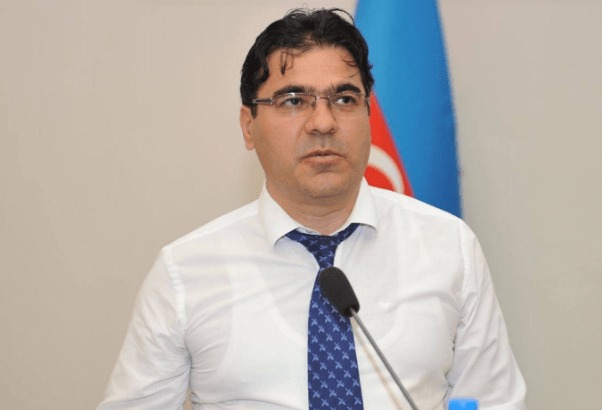
Education expert Elchin Suleymanov Medianews.az stated in his explanation that recently many developed countries have amended their legislation regarding children's social network accounts: “Requiring identity cards and other registration information when adolescents register on social networks is a step aimed at protecting their safety. Because harmful tendencies, involvement in various illegal activities, and cybercrime risks exist in the virtual space.
As I mentioned, this is a relevant issue not only for Azerbaijan but for all countries. Recently, similar legislative changes have been carried out in several EU member states. I think applying this experience in our country would be very beneficial. This step is important both in terms of formalizing and controlling young people's virtual activities to a certain extent, and it may also help reduce cybercrime and other illegal incidents.”
Nailə Qasımova,
Medianews.az