
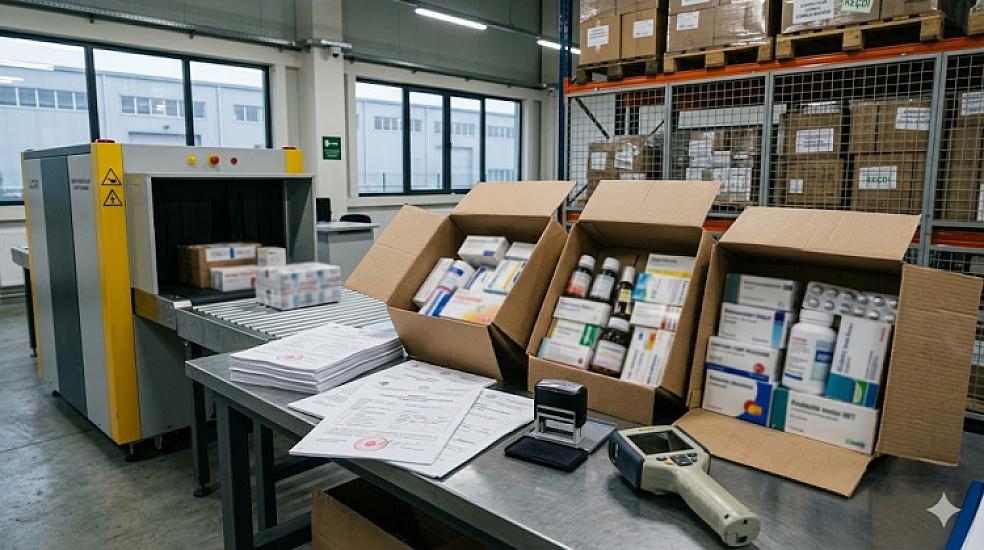
As in various countries around the world, concerns about the circulation of counterfeit medicines occasionally arise in Azerbaijan as well.
In general, what is meant by counterfeit medicines and what are the main characteristics of these products? What cases of detection of counterfeit medicines have been recorded in recent years? By what means and routes are counterfeit medicines brought into the country? What health risks does the use of counterfeit medicines pose to humans?
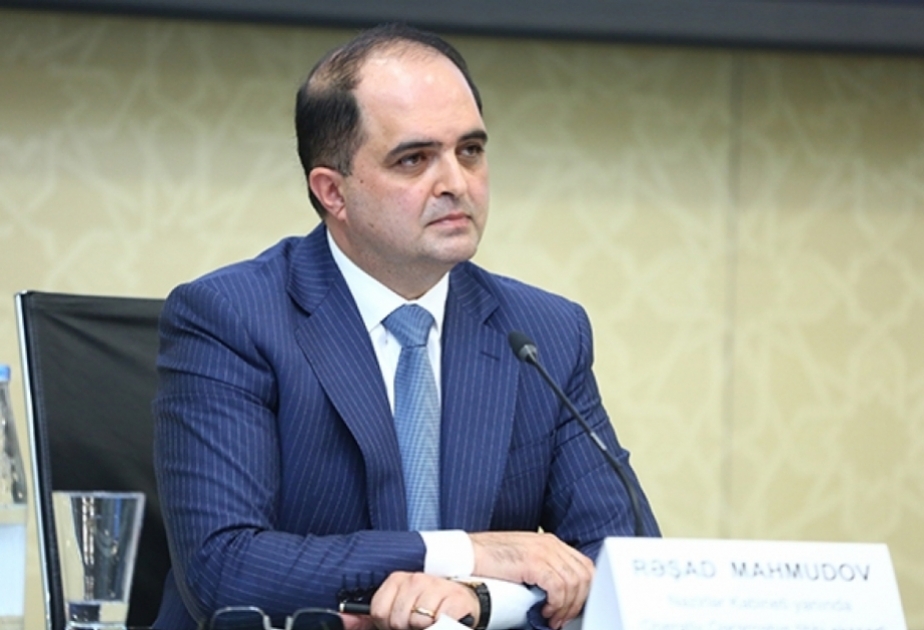
In a statement to Medianews.az, Deputy Chairman of the National Assembly's Health Committee Rashad Mahmudov stated that medicine is a product directly related to human health, and its quality and safety carry special importance.
R.Mahmudov emphasized that first, to fully understand the issue, it is necessary to distinguish between two different categories - counterfeit medicines and unregistered medicines: “Counterfeit medicines are products presented as legally registered and certified products but whose composition and quality are falsified. The absence of active ingredients, improper dosing, and unprofessional manufacturing conditions turn these medicines into serious sources of danger to human health. Their use renders treatment ineffective and can cause toxic reactions.
Unregistered medicines, on the other hand, are preparations not officially registered with the country's healthcare authorities. Even if they contain active ingredients, their use is risky because they have not undergone quality control. Sometimes such medicines do not spread widely in the market even after registration. The main reasons for this are the low profitability level for companies economically, increasing competition in the global market, limited sales potential within the country, and delays in submitting applications for medicine imports.”
Regarding the issue of profitability, pharmaceutical companies prioritize bringing in products that are profitable and in sufficient demand in the market. As a result, some categories of medicines may not officially exist in the market. People, when needing a medicine, try to find various alternative routes, including unofficial channels, to obtain it. This creates additional risks and carries the potential to increase the circulation of counterfeit medicines.”
Discussing the ways counterfeit and unregistered medicines enter the market, R.Mahmudov noted that direct sales through online pharmacies and social media, unofficial imports, and in some cases illegal local production occur: “Cases identified in recent years show that counterfeit medicines are mostly observed in the fields of antibiotics, hormonal preparations, painkillers, and cancer drugs. These medicines are removed from the market and warnings are issued by the Analytical Expertise Center under the Ministry of Health, which conducts state control over the safety and efficacy of medicinal products in Azerbaijan.”
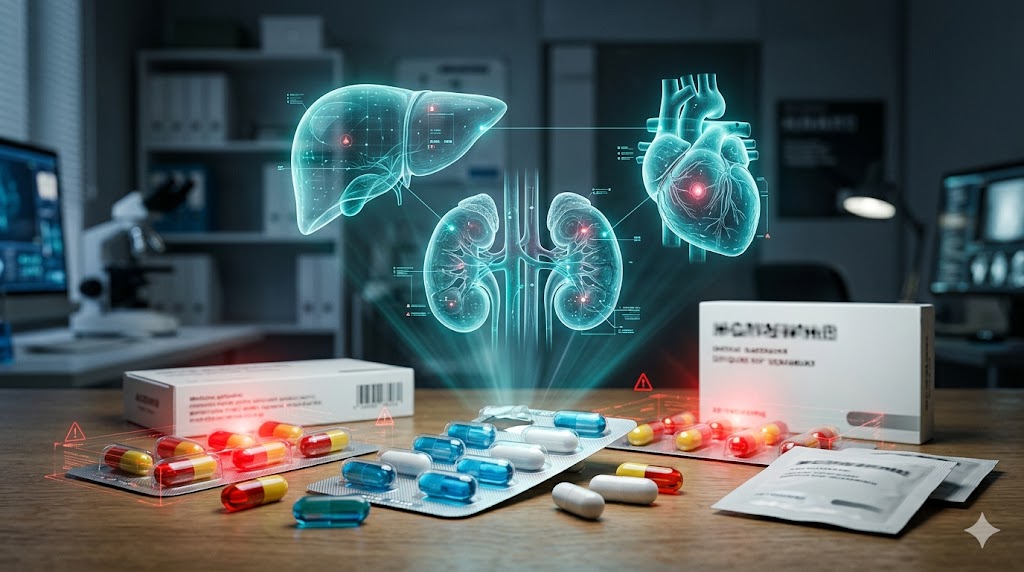
The health risks are serious and multifaceted. The use of counterfeit medicines renders treatment ineffective, may cause toxic and allergic reactions, and damage organs. The risk of resistance in antimicrobial agents increases, complicating future treatment options.
Therefore, market monitoring must be strengthened, procedures regarding the import and sale of unregistered medicines must be improved, and public awareness about medicine safety must be increased. At the same time, taking into account economic and regulatory aspects, official registration of medicines should be encouraged, and their availability in the market ensured. These measures will both strengthen the provision of safe medicines to people and provide a basis for the efficient use of state healthcare resources. Certain steps have been taken in this direction in our country, are being taken, and will continue in the future.”
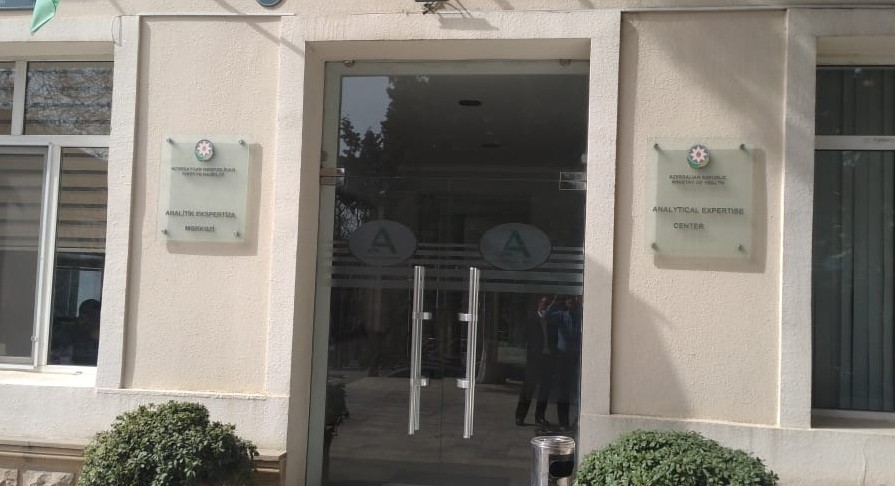
Regarding the topic, the Medianews.az website also contacted the Analytical Expertise Center of the Ministry of Health.
The Center stated that counterfeit medicinal products refer to medicines whose origin, composition, manufacturer, or quality are falsely presented: “Such products might contain none of the declared active substances, or contain less or more than the norm, or undisclosed other substances.”
The Analytical Expertise Center emphasized that the main characteristics of counterfeit medicines are:
- absence of declared active ingredients;
- active ingredient present in less or greater amount than the norm;
- presence of substances not specified in the normative documents and packaging;
- use of counterfeit packaging, labels, and serial numbers;
- incorrect information about the manufacturer or country of origin.
The Center stated that in Azerbaijan, the import, state registration, quality control, and circulation of medicinal products are strictly regulated according to legislation requirements: “Medicines imported into the country undergo appropriate control procedures, and their quality, safety, and efficacy indicators are monitored. The Analytical Expertise Center regularly conducts control measures regarding the legal circulation of medicinal products. Additionally, all received applications and suspicious cases identified are investigated in accordance with legislative requirements, and necessary measures are taken.”
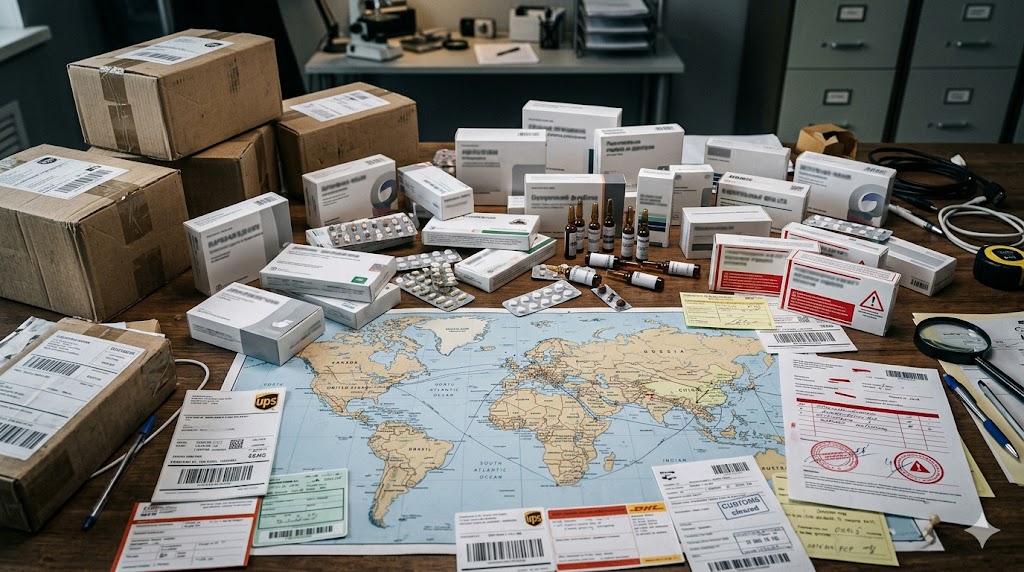
In its statement, the Analytical Expertise Center also listed the most commonly used methods worldwide for counterfeit medicines entering circulation:
- Illegal sales through unregistered internet resources and social networks;
- Transport in small packages via postal and courier shipments;
- Smuggling through customs control evasion into the country.
For this reason, citizens are advised to obtain medicines only from pharmacy organizations operating legally.
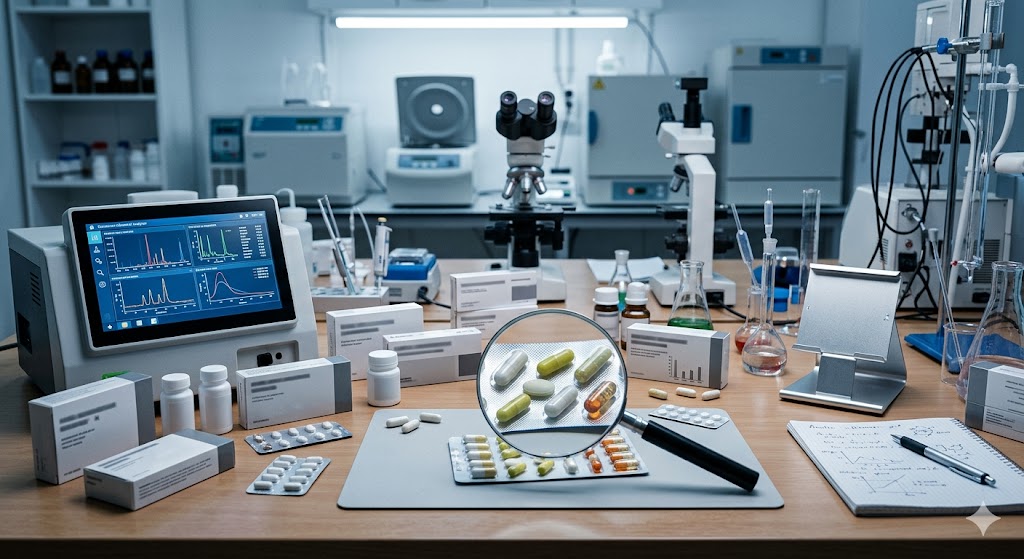
The authority emphasized that counterfeit medicines can be detected during inspections of retail and wholesale pharmaceutical entities, during medicine expert examinations, and also by customs authorities: “Laboratory expertise is one of the main methods to detect counterfeit medicines. During laboratory expertise, the packaging and existing documents of the sample are checked to identify counterfeit medicines. In the next stage, the quality parameters of the sample are investigated. Quality parameters are checked at the Analytical Expertise Center based on the normative documents available for the sample, or, if not available, according to pharmacopoeia article requirements.”
To identify counterfeit medicines, the Analytical Expertise Center has signed memoranda with national regulatory bodies in the pharmaceutical field from several countries. Based on these memoranda, information exchange occurs with foreign regulatory agencies, and data about counterfeit and poor-quality medicines is obtained. Moreover, by cooperating with many international organizations in the pharmaceutical field, the Analytical Expertise Center is also able to access information about counterfeit medicines circulating worldwide based on incoming data from these organizations.”
The Analytical Expertise Center noted that the use of counterfeit medicines can cause serious health problems. Such products can cause:
ineffectiveness of treatment;
worsening or progression of the disease;
allergic reactions and poisoning;
damage to the liver, kidneys, and other organs;
in severe cases, life-threatening consequences.
Recommendations for protecting oneself from counterfeit medicines are as follows:
Obtain medicinal products only from pharmacy establishments.
Check the integrity of the packaging, expiration date, and the accuracy of the information on it.
Do not order medicines from unknown internet sources without a doctor's or pharmacist's advice.
If you have doubts about the appearance, smell, or effect of a medicine, stop using it and contact the Analytical Expertise Center.
Citizens can apply to the Analytical Expertise Center regarding any issues encountered with private medical institutions and pharmacy organizations.
The Center told Medianews.az that investigations are carried out based on received applications, and if necessary, appropriate control measures are implemented in accordance with legislation.
Nailə Qasımova,