
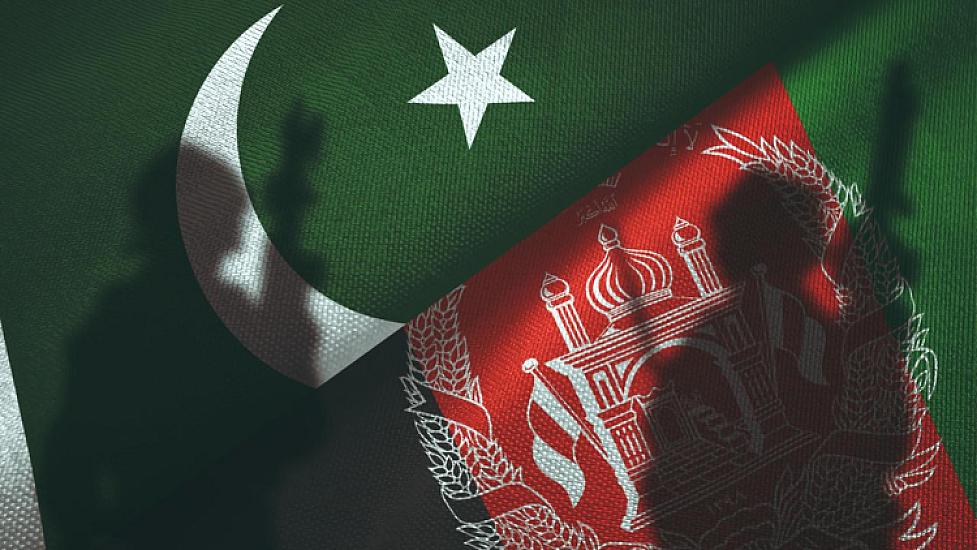
The conflict at the Afghanistan-Pakistan border is not just a border dispute between two states, but a multifaceted crisis that shakes the stability of the entire South Asia.
The Durand Line, signed in the 19th century between the British Empire and Afghanistan, remains a subject of dispute to this day. After the creation of Pakistan, the fate of this line became even more complex, and Afghanistan has never fully recognized it as legitimate. This constitutes the fundamental historical root of mistrust between the two countries.
The Soviet Union's intervention in Afghanistan in 1979 changed the geopolitical balance in the region: Pakistan became the main base of the mujahideen as an ally of the US and the West. Although this led to Islamabad's rise as a regional power center, it also created fertile conditions for the formation of radical groups.
With the Taliban's rise to power, relations softened, but the strengthening of terrorist networks along the border became a new source of danger for Pakistan.
In 2001, the US intervention put Pakistan in a dual position: officially a partner of Washington, but secretly maintaining ties with the Taliban.
The emergence of the Pakistani Taliban group in the 2000s was related to internal political motives, ideological proximity, and weak state control in the border regions.
Between 2010 and 2020, military operations by the US, Pakistan, the Taliban, and the TTP mainly aimed at combating terrorism, border control, and struggle for political influence.
The Taliban’s return to power in 2021 gave Pakistan hope: stabilization of the border, economic cooperation, and weakening of radical groups were expected. However, these expectations did not materialize. On the contrary, the strengthening of radical groups along the border, deportations, diplomatic accusations, and humanitarian crises rapidly deteriorated relations. This period effectively served as a preparatory phase for today's open confrontation.
In 2025-2026, the conflict moved from a phase of covert warfare to open confrontation. The reasons were years of accumulated mistrust, the strengthening of radical groups, and competition among regional powers. Pakistan's expectations failed, and the Taliban adopted an independent and tough stance in border policy.
Thus, the crisis at the Afghanistan-Pakistan border is not only a bilateral problem but also a strategic threat to the stability of South Asia. The conflict at the Afghanistan-Pakistan border is a crisis rooted in historical causes but deepening today with geopolitical interests, radical groups, and a humanitarian crisis.
By spring 2026, this confrontation has advanced into an open war phase and poses serious risks for the future of the region.
Aydın Tağıyev