
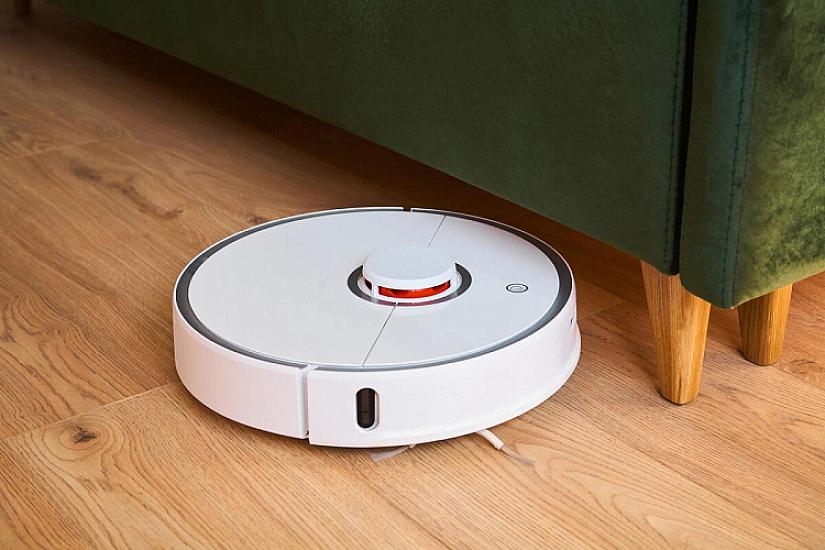
Robot vacuum cleaners, which were purchased with great hopes and thought to revolutionize home cleaning, have recently become among the devices most complained about by users. Technology experts have explained the main reasons why the "lifespan" of these devices is much shorter than expected.
According to Milli.Az, most robot vacuum cleaners operate with lithium-ion batteries. However, these batteries begin to lose their capacity after about 1-2 years.
Buying a new and original battery sometimes costs half the price of the vacuum cleaner. Users prefer to abandon the old device and buy a new one or return to a classic vacuum cleaner, rather than spending so much money on the old device.
It is almost impossible to find spare parts (brushes, wheels, sensors) for especially cheap and lesser-known brands. Even a small sensor malfunction renders the device completely useless.
Robot vacuum cleaners are controlled by software. When the manufacturer stops updating the software or when the device's mapping system breaks down, the vacuum starts to move like a "blind" and cannot perform its cleaning function.
Although these devices are tested in laboratory conditions, the following in real home environments:
- Long-pile carpets,
- Pet hair winding around brushes and burning the motor,
- Contact with liquid (even a small drop of water can destroy the motherboard) sharply reduce the lifespan of the devices.
The internal structure of robot vacuum cleaners is very complex and dense, so repair is difficult. Technicians demand high service fees to open and repair these devices, which is often not economically efficient.