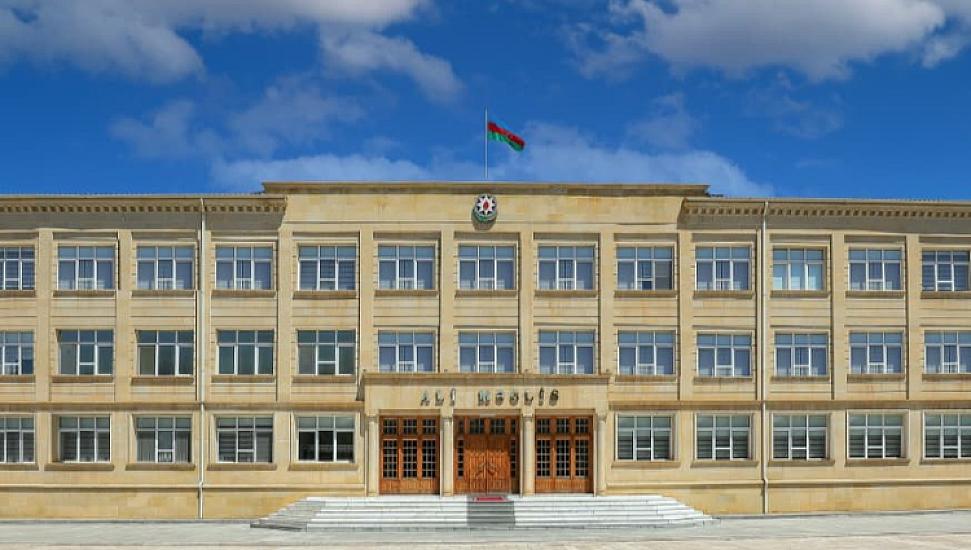
Amendments to the Constitution of the Nakhchivan Autonomous Republic are being formalized. One of the innovations is the removal of references to the Moscow and Kars agreements from the constitution.
The foundation of the Nakhchivan autonomy, established in 1923, is also determined by international agreements: the Moscow agreement between Russia and Turkey (March 16, 1921) and the Kars agreement between Turkey and Azerbaijan, Armenia, and Georgia (October 13, 1921).
According to the Moscow agreement, the Nakhchivan province constituted an autonomous territory under the protection of Azerbaijan. At that time, a condition was imposed that Azerbaijan should not compromise this protection to any third state.
According to the Kars agreement, Turkey, Azerbaijan, and Armenia agreed that the Nakhchivan province would constitute an autonomous territory under the protection of Azerbaijan.
After the removal of references to the Moscow and Kars agreements, the basis of autonomy in the Constitution of the Nakhchivan Autonomous Republic takes the form: "The status of the Nakhchivan Autonomous Republic is determined by the Constitution of the Republic of Azerbaijan."
Various proposals have been put forward from time to time regarding the abolition of the autonomous republic status of the Nakhchivan region, and debates have been held. In these debates, views have sometimes been expressed that the determination of Nakhchivan autonomy also by international treaties actually limits the Republic of Azerbaijan's right to abolish this autonomy.
Were the Moscow and Kars agreements really an obstacle to the abolition of Nakhchivan's autonomy? If so, can the Moscow and Kars agreements still be considered an obstacle to the abolition of Nakhchivan's autonomy even after references to these agreements are removed from the regional constitution?
Is it possible to abolish the autonomy or change the current status in some way?
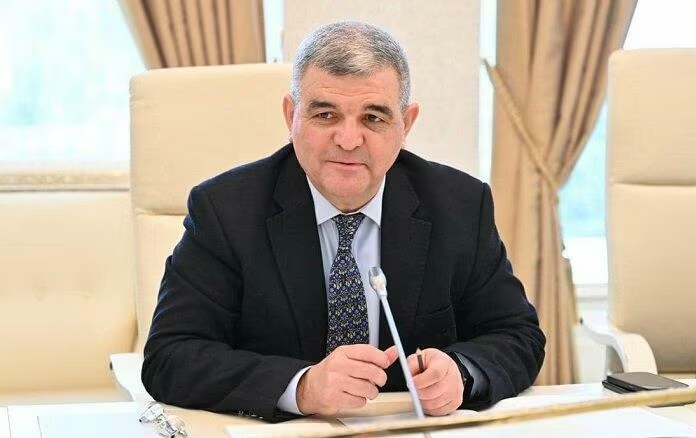
Speaking to Medianews.az, Fazil Mustafa, chairman of the Great Construction Party and member of the National Assembly, said that the amendments to the Nakhchivan Constitution are not aimed at abolishing autonomy: "Therefore, it is not correct to talk about this issue already. In the Kars and Moscow agreements, the form of governance and status of Nakhchivan were defined according to the conditions of that period. However, since the contemporary Constitution of Azerbaijan recognizes the Nakhchivan region as an autonomous republic and this status remains valid, there is no need to recall the Kars and Moscow agreements in this context in the autonomous republic’s constitution. There is no disputed issue related to Nakhchivan concerning Azerbaijan. Azerbaijan is represented in the UN together with this territory, and countries of the world, as well as neighboring countries, recognize the Republic of Azerbaijan within these borders and boundaries."
Recalling the establishment of the President’s authorized representation in the Nakhchivan Autonomous Republic on December 22, 2022, F. Mustafa noted that the status of this representation in the region needs to be formalized in a certain way: "The proposed amendments to the Nakhchivan Constitution are primarily directed at this, aiming at a more precise regulation of the division of powers in the autonomous republic."
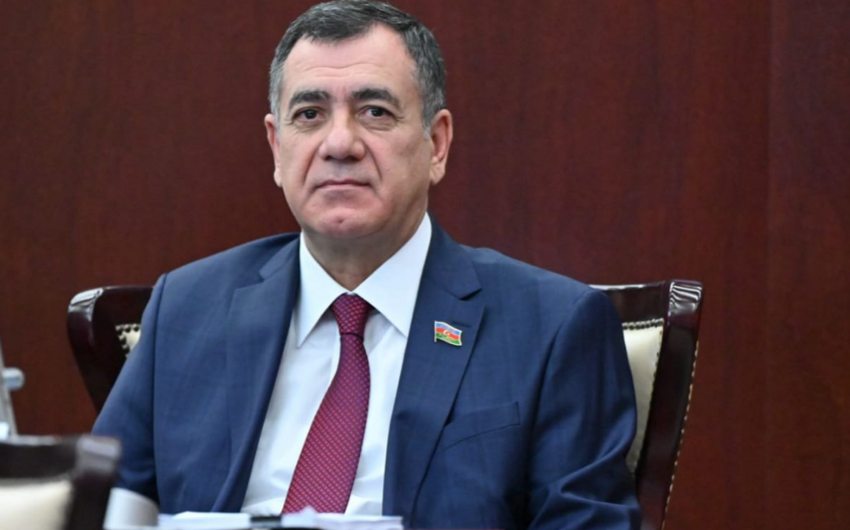
Qudrat Hasanquliyev, chairman of the Justice, Law, Democracy Party and member of the National Assembly, told Medianews.az that the amendments to the Nakhchivan Constitution are incomplete and contradict the fundamental principles of the country’s main law: "The executive powers remain with the chairman of the Supreme Assembly of Nakhchivan. That is why I voted against the law on these changes in the National Assembly."
He believes that autonomy should generally be abolished in Nakhchivan. Especially after liberating our occupied lands and restoring state sovereignty in all our territories, there is no need for any autonomy in the country. Therefore, I have proposed the abolition of autonomy in Nakhchivan, the division of Azerbaijan into 15 regions, one of which will be Nakhchivan.
Each of the 15 regions I mentioned should have its own assembly, and the head of the regional executive authority should also be elected in that assembly. In other words, local governance should be formed through elections. Every region should have an authorized representative of the country's president to oversee the implementation of constitutional norms and laws."
Q. Hasanquliyev emphasized that serious reforms in state governance are needed in general across the country: "Constitutional reforms should be carried out in the country. The administrative-territorial division should be changed. This will also lead to a reduction in the number of officials and a substantial shrinking of the bureaucratic apparatus. An executive power responsible to the people and directly elected by the will of the local population should be formed. Every settlement should have its own municipality. The failure to implement such deep and fundamental reforms and the maintenance of the current extreme centralized state governance negatively affects the development of the country, especially the development of the regions."
Naila Gasimova,
Medianews.az
Note: This article was prepared on the topic "Civil Society, Legal State Building" with the financial support of the Media Development Agency of the Republic of Azerbaijan and in accordance with the competition conditions.