
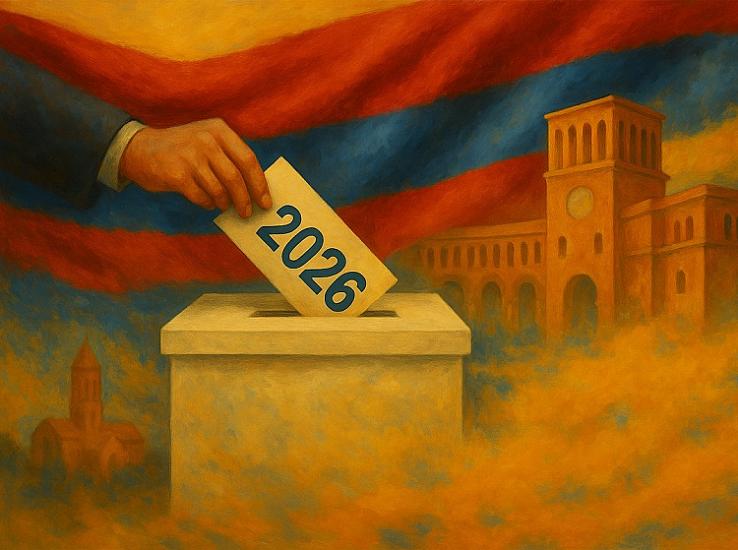
The parliamentary election will be held in Armenia on June 7. Most of the parties and blocs competing to enter the legislature, which is formed by a proportional system, represent the opposition. To form a government, more than half of the parliamentary mandates must be obtained. The ruling Civil Contract Party has nominated its leader, Prime Minister Nikol Pashinyan. The opposition Armenia bloc’s candidate for prime minister is former president Robert Kocharyan.
The leader of the blossoming Armenia Party for the prime minister position, businessman Gagik Sarukyan (candidate of the “Offer to Armenia” initiative), the leader of the Strong Armenia Party, businessman Samvel Karapetyan (candidate of the Strong Armenia bloc), statesman Levon Zurabyan (candidate of the Armenian National Congress Party led by former president Levon Ter-Petrosyan), leader of the New Force Party, former mayor of the capital Yerevan Ayk Marutyan, and leader of the “Union Wing” initiative, former ombudsman Arman Tatoyan are also contenders.
If Nikol Pashinyan, who has been prime minister since 2018, does not succeed in the parliamentary election and the government changes, what can Azerbaijan expect? Will the peace process with Armenia be disrupted?
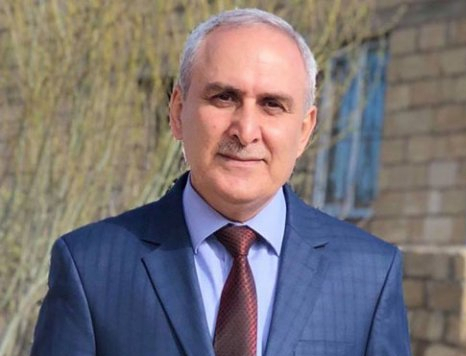
Regarding this topic, Medianews.az interviewed political analyst Natiq Miri, who stated that the parliamentary elections to be held on June 7 are a fateful process for the future of Armenia: “The outcome of this election will determine the future of the Armenian people and the Armenian state. To turn back again, to become a colony—a vassal of Russia—or to live as an independent, sovereign country cooperating and fostering friendship with neighbors? The victory of the current prime minister Nikol Pashinyan can lead to increased investments from the Western world, both the USA and the European Union countries, into Armenia. This means scientific, technological, and economic development. The Armenian people must choose either war or peace and development. Those opposing Pashinyan, regardless of under which party name they operate, represent Russia’s interests. They act as political forces ready at any moment to betray the interests and benefits of the Armenian state. It is very important that Armenian society understands this.”
The political analyst noted that if the opposition wins and seeks revenge, it will mean that hollow ideals will be circulated again in Armenia: “Trying to occupy Azerbaijani and Turkish territories and carry the ‘from sea to sea’ state narrative and ‘genocide’ claims back into politics will not serve anything but tension, new conflicts, and placing Armenia under threat once again. Efforts to revive the finished Nagorno-Karabakh issue and new armed provocations could force Baku to take control over the land connecting Nakhchivan and the rest of Azerbaijan. Do Armenians truly like this prospect? Then they can certainly vote for the opposition, but afterwards, they should not complain about their children not returning from the frontline. In this regard, Armenians must understand that they face a choice between life and death.”
N. Miri emphasized that although Armenia’s opposition forces claim they are not interested in disrupting the peace process with Azerbaijan, this does not reflect the truth: “Robert Kocharyan says it is not right to fit Armenia into the current 27,700 square kilometers. This is clearly another territorial claim. This means a renewed clash with Azerbaijan. Naturally, this also means throwing Armenia into new and bigger dangers and drawing a permanent line over its development prospects. Therefore, the June election may be the greatest test Armenians will face in the 21st century.”
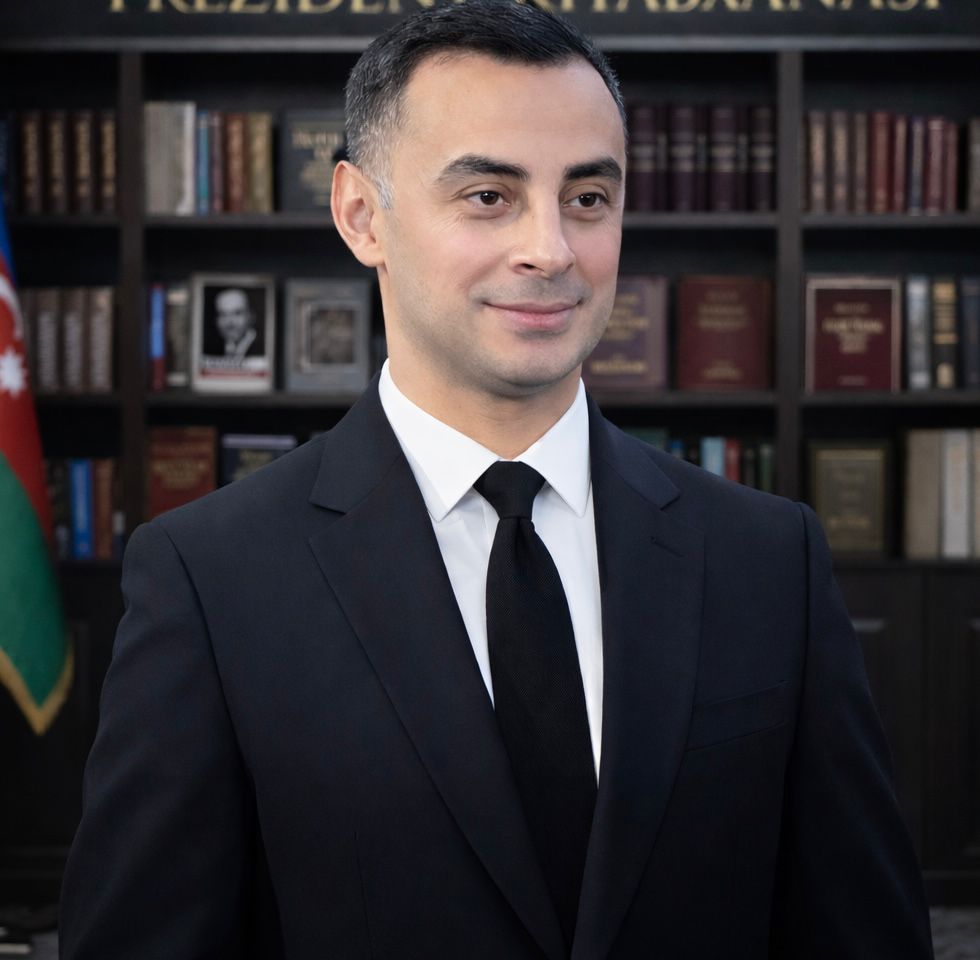
Political analyst Aydin Taghiyev Medianews.az stated that if Nikol Pashinyan wins, the continuation of the peace process with Azerbaijan seems possible: “True, internal pressures from the opposition may partially limit Pashinyan’s maneuvering options. If Robert Kocharyan from the opposition wins, then harsher positions and revanchist rhetoric may increase the likelihood of the peace process halting.
In my opinion, the most optimal result for Azerbaijan is for Pashinyan to remain in power because this can ensure the sustainability of the peace process. The opposition’s victory, meaning the rise of harsh rhetoric and revanchist policies, would imply new diplomatic and security challenges for Baku.”
According to A. Taghiyev, Azerbaijan’s peace initiatives have forced Armenia to change its foreign policy course: “I expect Pashinyan to win the election. Because Armenians now clearly understand that continuing the old policy will not benefit Armenia at all. I think the citizens of this country realize that peace and development are more important for Armenia than war.”
Naila Gasimova,
Medianews.az