
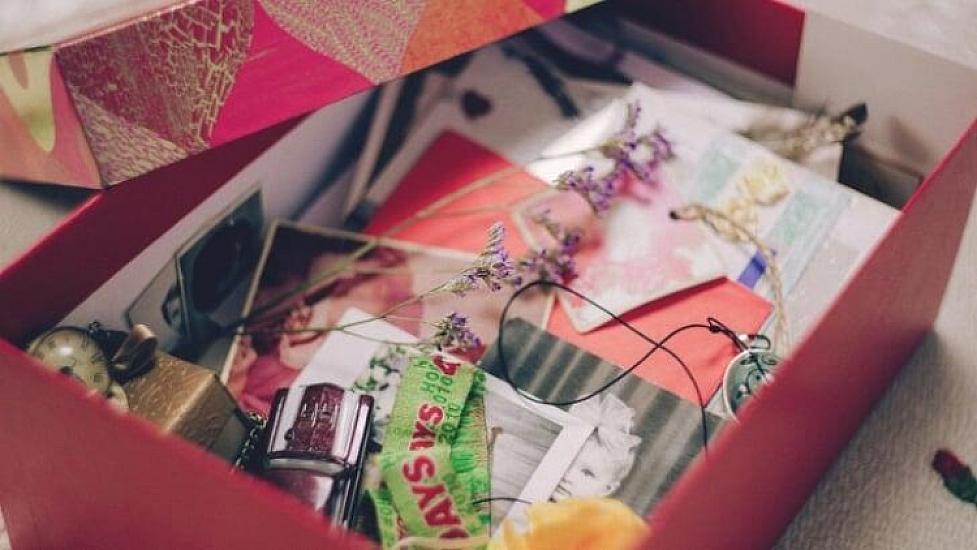
Throwing away an item can sometimes be much more difficult than we think. Because the issue often is not the item itself. An old cup, a concert ticket kept for years, or an unused bag—each may represent a memory, a feeling, or a specific period of our life. For this reason, the things accumulated at home are not just lifeless objects, but silent witnesses of our past.
According to Milli.Az, that is why clutter is not simply a matter of tidiness as it is often believed. It carries a story woven with personal past, emotions, and habits on deeper levels. At this point, it is insufficient to view the matter merely as a "home that needs to be tidied up"; the key is to understand the emotional needs behind the behavior of collecting items.
When does collecting items turn into a problem?
Experts characterize clutter as "items that create disorder in living space, being numerous and scattered." But there is an important point here: not every full home is cluttered, and not every home that looks cluttered is a problematic life. As experts emphasize: "My clutter is not your concern." A home may look messy from the outside, but the person living there may be quite functional for themselves.
Main criterion: How is your life affected?
If the dining table is never used because it is always cluttered,
If tasks postponed with "I'll do it later" pile up and create mental burden,
If just moving around the house tires the person, then clutter has shifted from a physical to an emotional burden.
Invisible feelings behind the items
The biggest reason for keeping items is the meanings we assign to them. For people, protecting an item is also the desire to hold on to a past period, a memory, or an old "self."
A cup, a photo, or clothing belonging to a lost loved one is no longer an ordinary object. Not throwing it away is felt as an attempt to preserve the bond with that person. However, the real bond is not in the item, but in the memory.
Birthday cards, old notes, small gifts... Over time these items grow beyond what can fit in boxes. Here the question we need to ask ourselves is: Do we really need every single item to remember, or is it enough to carry some feelings in our hearts?
Other factors that make it difficult to let go
One of the factors feeding collecting is postponing decisions. This stems not from laziness but from emotional avoidance. Every item put aside with "I'll look at it later" is a postponed decision and creates a closed cycle over time: the more you postpone, the more you accumulate; the more you accumulate, the harder it gets to decide.
This habit is especially stronger in families that have experienced financial difficulties or moving in the past. The feeling of "it might be useful someday" is an attempt to create a safety zone for the future.
Sports equipment purchased with enthusiasm but never used, half-finished course books... Sometimes people keep these items along with versions of themselves from the past or unrealized dreams.
How can this cycle be changed?
Change begins not with big steps but with small moments of awareness. Experts recommend these steps:
When you look at a room, ask: "How do I want to feel in this room?" When this question is unclear, every item appears equally important.
Tell the story: Tidying up is not just rearranging items, but questioning why an item is there. Sometimes before letting something go, it is necessary to share its story, remember the exam stress from high school years, or old friends. When the story is visible, the item ceases to be a burden and simply becomes a pure memory.
At the end of the day, the issue is not the items, but what they tell us. Letting go of something does not mean destroying it, but simply finding the right place for its meaning in our mind. The real question is not "Why am I keeping this?" but "What am I actually afraid of losing?" When the answer to this question is found, a person begins to open up new space in their life.