
Iran's ungrateful and hypocritical behavior in response to Azerbaijan's friendly neighborhood policy is not only regrettable but also raises a number of important questions. What does such hypocritical policy of the mullah regime give to Iran?
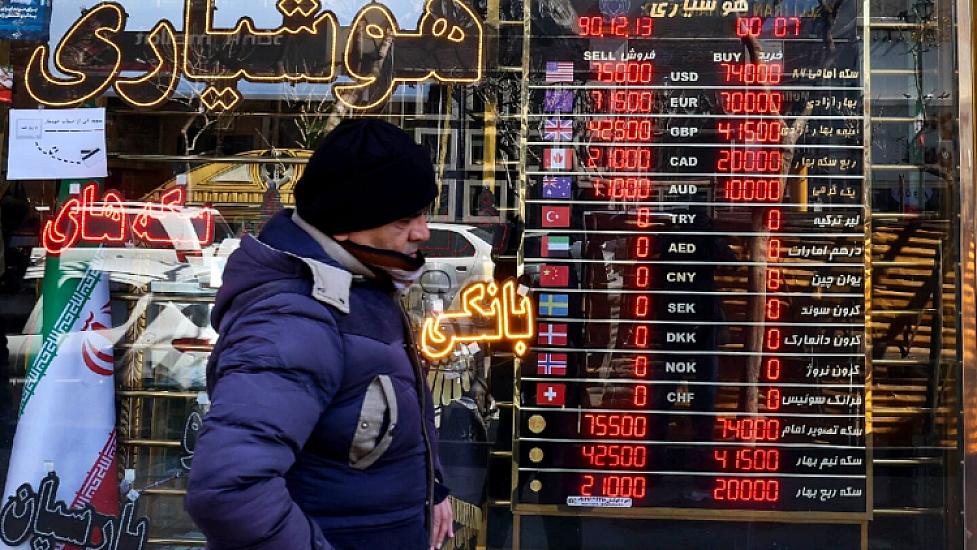
Despite possessing great energy reserves, Iran, which has chosen the format of contradiction with its neighbors, still remains among the lower-middle-income countries. According to the World Bank report, 40 percent of the population in Iran lives at the poverty line. Despite being an energy country, the fiscal deficit exceeds 4 percent of GDP.
Iran, ranking second in the world with 33 trillion cubic meters of gas reserves and third with 280 billion barrels of oil reserves, has a per capita GDP of only 4,250 dollars. Considering the high level of poverty and inequality, it is not difficult to imagine how low the earnings of ordinary citizens in Iran are. Although Iran is among the top three in the world in terms of energy resources, it ranks 131st in terms of per capita national income. This comparison also shows how deplorable the socio-economic situation in Iran is.
The main demand of the protests in Iran in recent years was the transition from the hypocritical policy of the mullah regime to a development trajectory. For this, fundamental changes in Tehran's behavior are necessary.
Vuqar Bayramov,
economist deputy