
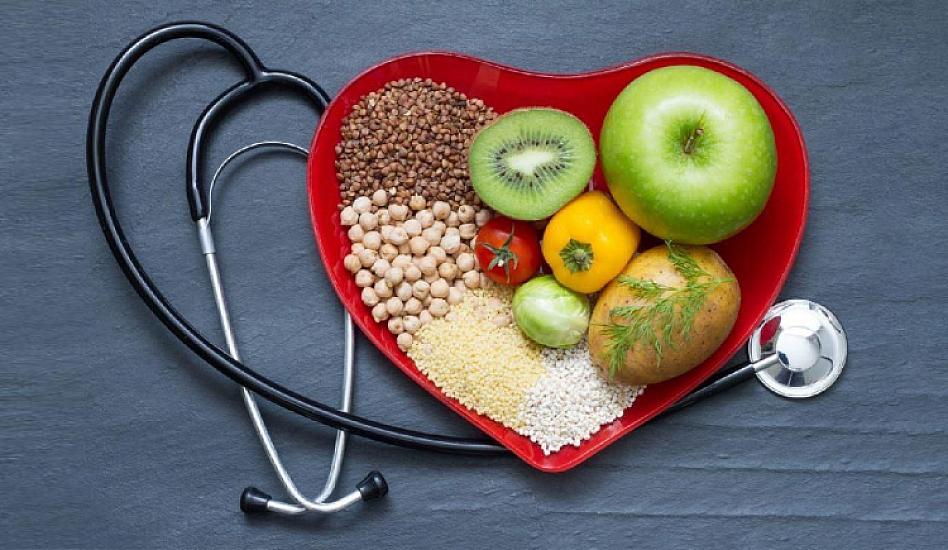
Healthy and balanced nutrition is one of the main conditions for a healthy life. However, there are many widespread misconceptions in this field that are not based on scientific foundations.
Medianews.az, referring to Foodinfo.az, reports that specialists have explained the 5 most common myths about nutrition.
1. Dark bread is always healthier
Many people think that dark-colored bread is automatically healthier. However, this is not always true. In some cases, white flour bread is simply darkened by adding wheatgrass extract. This creates the impression that the product is more beneficial. Therefore, it is important to carefully read the ingredients when buying bread.
2. All fats are harmful
It is not correct to consider all fats harmful. Alongside harmful saturated fats, there are also beneficial unsaturated fatty acids that are essential for the body. These types of fats are found in avocado and fish and are as important to the body as proteins and carbohydrates.
3. The main source of Vitamin C is citrus fruits
Most people believe that vitamin C is mainly found in lemons and oranges. In fact, one of the products with the highest vitamin C content is chili pepper. It contains about three times more vitamin C compared to lemon.
4. Carbohydrates cause weight gain
This idea is also not completely accurate. The main issue is the type of carbohydrate. Whole grain products are considered beneficial because they retain the germ and bran content. Refined carbohydrates (white flour, sugar), on the other hand, do not provide a long-lasting feeling of fullness and can often cause hunger.
5. Everyone should drink 2 liters of water daily
Drinking enough water is important, but the 2-liter rule is not universal for everyone. The need for water depends on a person's weight, height, weather conditions, and physical activity. A simple formula is recommended to calculate daily fluid needs: 30 ml of water per kilogram of body weight. For example, for a person weighing 70 kg, this is approximately 2.1 liters.
Specialists emphasize that obtaining accurate information is one of the most important steps towards a healthy lifestyle.