

On May 5, the Press Council made a call to the media.
The text released by the Council states that media outlets and journalists divide the opinions of those they interview into parts and present them with different headlines: “Of course, this is their exclusive right and, without doubt, is aimed at attracting a wide viewer and reader audience. However, in many cases, giving priority to this method causes serious dissatisfaction among the interviewees. The dissatisfaction particularly arises when these parts are shared on social networks.”
Social network users generally express their opinions based on the interviewees' approaches, without paying attention to their other remarks related to the discussed topic or by focusing only on the raised headline. Experience shows that in such cases, the real essence often remains unattended. The most unacceptable situation at this level is when interviewees face unjust accusations by social network users.
Specifically, on April 29, 2026, an interview was conducted by the program “Truth in the Dark” with Vilayat Guliyev, the Extraordinary and Plenipotentiary Ambassador of the Republic of Azerbaijan to Bosnia and Herzegovina. Instead of highlighting the statements made by V. Guliyev as a scholar and diplomat, the question-and-answer section concerning specifically his child – the late Humay Guliyeva – was presented in short video clips as announcements of the program, and other media outlets shared precisely this segment with the audience.
Due to the situation, the “Huma Bird” Education Assistance Fund, created in the name of Humay Guliyeva, issued a statement expressing sharp protest and appealed to the Azerbaijan Press Council to take a stance. The Council shares the concern expressed in the Fund’s appeal and considers that a careless approach was taken in presenting the “Truth in the Dark” program. The interview, which essentially was a serious discourse about diplomacy, foreign policy, and our history, had its announcements negatively affected by the traditional “rating creation” approach, damaging the overall spirit of the text and causing deep distress among the deceased’s parents.

Considering the mentioned and other similar situations, the Azerbaijan Press Council condemns such behaviors of media outlets and calls on them to approach the presentation of interviews cautiously. The Council holds the view that when full texts are disseminated in the form of context-extracted opinions, the specific topic discussed by the interviewee should not be sidelined, and speculative approaches should be avoided. Because all these things foster distrust and skepticism toward media organizations and journalists. An environment of distrust and skepticism lowers the prestige of the media and negatively impacts the society’s adequate provision of information.
The media and journalists should also consider that all materials they present, regardless of interview or genre, should not incite mass agitation among members of society but should ensure that people acquire useful knowledge and raise their worldview. This is the true social mission. The Press Council calls the media community as a whole to approach their social mission with responsibility and great sensitivity.”
How justified is the Press Council’s call? If justified, what are the causes leading to the problems reflected in this call?
Currently, especially in news websites, the method is widely used of preparing several short news pieces from long interviews and sharing these news pieces with visual effects, mostly short videos, on the websites’ social media accounts. Is it possible to continue using these methods while aligning with the Press Council’s call?
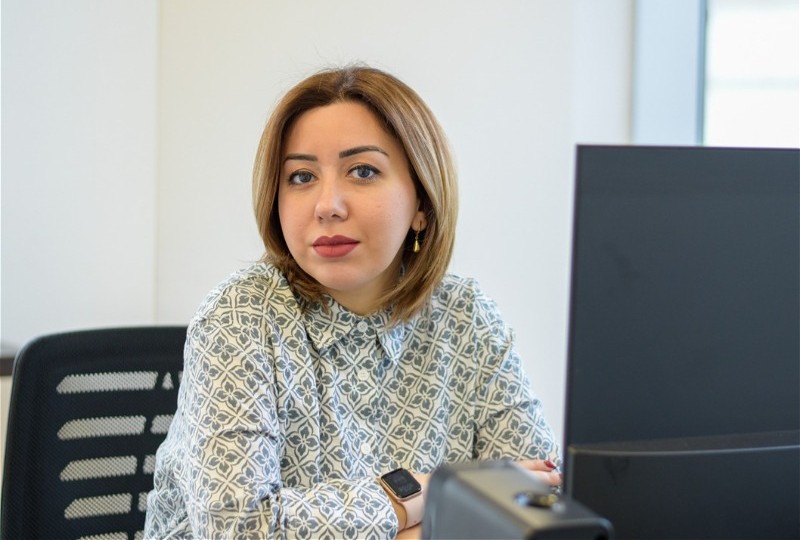
Kemala Mammadova, editor-in-chief of 1news.az, responding to Medianews.az’s questions, stated that the Press Council’s call generally seems reasonable: “Because it raises a sensitive issue frequently encountered in the modern media environment — the problem of presenting selected parts of interviews out of context. Particularly, in social networks where these short fragments have become the main source of information for the audience, the responsibility increases.
At the same time, dividing interviews into parts and presenting them as separate news or sharing them in short video formats is not inherently problematic. This is a normal and widespread approach derived from modern media and audience content consumption habits. However, in competitive conditions for ratings and views, in some cases, overly emphasizing emotional and resonant points is observed, which can overshadow the overall content.”
K. Mammadova emphasized that the main issue is not the format but the approach: “Separately presenting quotations or short videos is possible and acceptable, but the overall meaning and context must not be distorted. The problem arises when the material’s emotional impact takes precedence over its informational content. In this respect, the Press Council’s call does not contradict existing practice but rather defines a professional framework. It is completely possible to work within this framework: fragments can be presented, but with proper context, balanced headlines, and free from manipulative approaches.
Ultimately, everything depends on the topic and the sensitivity level of the content. A more careful approach is necessary especially for sensitive topics such as personal life or tragic events. In other cases, freer presentation is possible; however, in any case, the essence of the content must be preserved, and professional ethics remains a fundamental principle.”
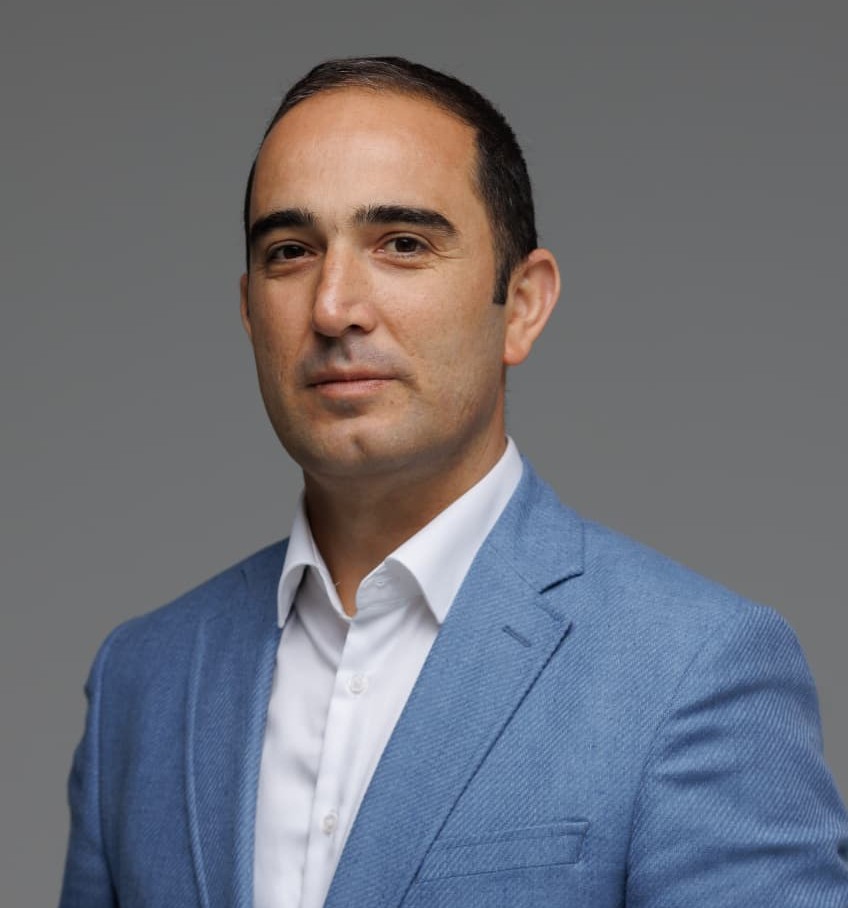
Imdad Alizade, editor-in-chief of Yenisabah.az, told Medianews.az that the Press Council’s call can be interpreted in various ways: “For some, this is an acceptable call. For others, it may be considered interference in the work of journalists, editorial offices, editors, and generally the media organization. This can be evaluated in several directions. But the fact is that the world today follows this trend — short interviews or brief excerpts from interviews. Especially on social media platforms, this method is widely used.
I believe it is impossible to prevent this. That is, the trend will not stop; it will continue. Because one goal of the journalist is for the interview they conduct to reach a wide audience, be widely read, and viewed by many people. Nowadays, the number of views and reads seriously affects the rating of media outlets, websites, and YouTube channels. Thus, distributing interviews in an attractive way has become as important as conducting a good interview.”
According to I. Alizade, abandoning such methods is not even beneficial for the interviewees themselves: “Because we are talking about interviews gaining as wide an audience as possible. Naturally, interviewees are interested in this as well.
Regarding the fact reflected in the Press Council’s call, may God have mercy on Vilayat Guliyev’s daughter! We should understand his sensitive position because he faced a severe loss. It is very likely that Vilayat teacher complained to the Press Council, which resulted in the council issuing a statement. Vilayat Guliyev is a well-known diplomat and a respected scholar. The Press Council could not have ignored his appeal. However, I do not expect the practice of dividing interviews into parts and presenting them under separate headlines to stop; as I said, I consider this an unstoppable trend.”
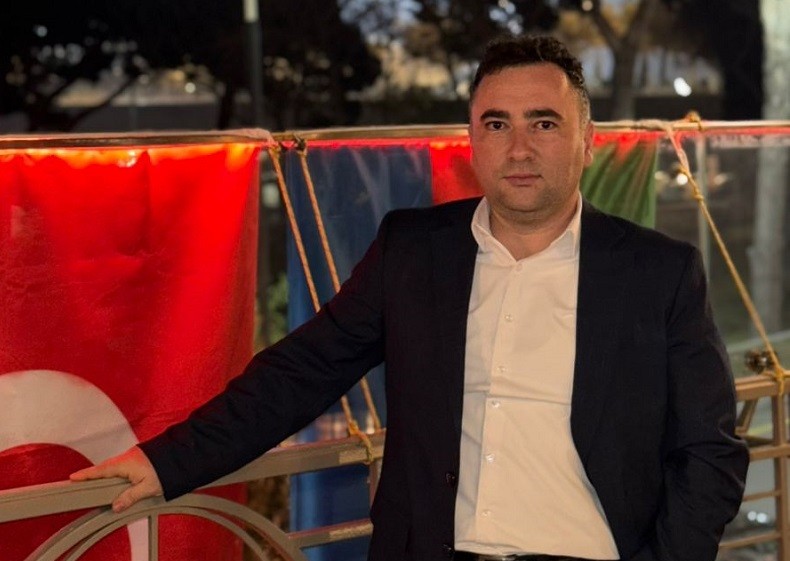
Ali Rais, editor-in-chief of Musavat.com, told Medianews.az that putting creative work into rigid frameworks is not a correct approach. He said a journalist’s job is to ask questions and reveal maximum information: “The interviewer naturally tries to highlight more and more attention-grabbing and sometimes sensational points. On the other hand, official interviewees often prioritize presenting information selectively and even tend to hide some points.
In this context, softening or editing an inaccurate or thoughtless statement made by the official later is not a journalist’s function. The person giving the interview should understand in advance that what they say will reach a wide audience and may provoke public reaction. This responsibility lies directly with the speaker.”
E. Rais emphasized that modern media realities must be considered: “Online media significantly differs from traditional media worldwide and in Azerbaijan. Competition for attention is very high, and at first glance, the main element attracting the reader is the headline, especially the first few words. In such an environment, prohibitions like ‘don’t give this, don’t present that this way’ reduce the media’s agility and can effectively paralyze it.
Of course, responsibility holds special importance in matters of state significance. The decontextualization or misrepresentation of any information is unacceptable. Journalists, editors, and interviewees should act more carefully and professionally on topics related to state policy. However, applying this approach to all interviews is not correct.”
In today’s information environment, people are more active on social networks. It is nearly impossible to hide or cover up sensational and publicly interesting information. Therefore, instead of restricting the media, strengthening it, developing it in line with modern technologies, and establishing reliable relationships with the audience is a better strategy. Achievements come through development, not prohibitions.”
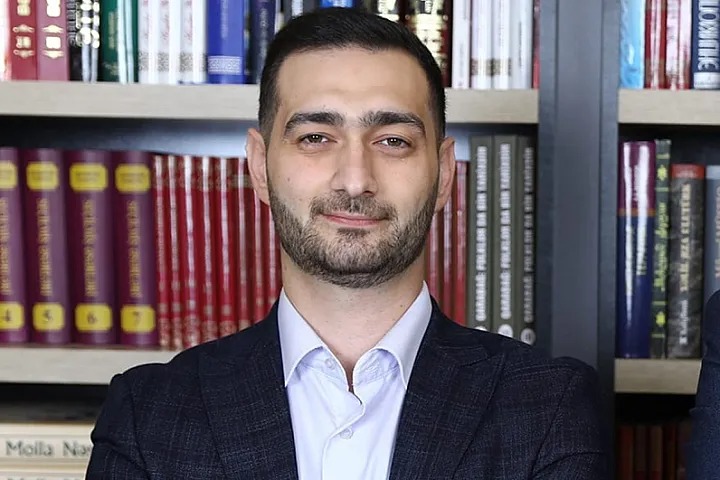
Samir Mirza, editor-in-chief of Olke.az, told Medianews.az that even before the Press Council’s call, we have witnessed certain misunderstandings between journalists and interviewees regarding the mentioned issue from time to time: “Therefore, many interviewees later talk with journalists in advance to avoid such misunderstandings. At the same time, media representatives also need understanding from the interviewees. Journalists have the right to use various reasonable methods to deliver their hard-prepared material to a wider audience. Interviewees should also be interested in having many viewers and readers see what they say. Currently, short videos have become a trend. Most viewers and audiences show little inclination towards long, extensive materials. This is also evident on various social networks. That’s why some social network phenomena have matched the speed of the crowd and have become attractive to them. Of course, this also includes those who manage to be in the agenda with vulgar content. But professional journalists try not to waste their substantial material. When the number of views is low, it negatively affects both the interview and the media representative. It would be good if both sides understand each other and produce a good work. Both the audience and media outlets would enjoy it. They would see the positive result of the work.
Regarding the issue of decontextualization, it is unacceptable in every case. Because social networks have reached such a state that some users can interpret the topic from the headline alone without even reading the news. Imagine that a 15-second video of an interview remains negatively remembered and, despite a long time passing, is not forgotten. Even if the full interview covers an acceptable topic for everyone, this does not change anything, and many people do not sincerely accept subsequent explanations. To prevent such incidents, it is useful for both the interviewee and the journalist to approach the material comprehensively when producing the work.”
Nailə Qasımova,
Medianews.az
Note: This article was prepared under the conditions of a competition with financial support from the Media Development Agency of the Republic of Azerbaijan on the topic “Freedom of thought, speech, and information, and the development of pluralism.”