
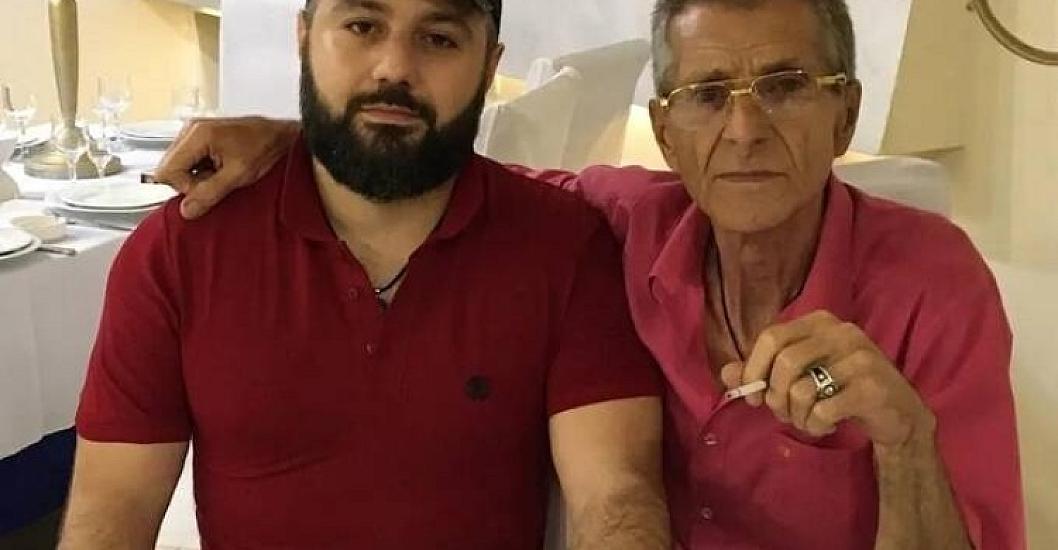
One of the well-known figures of the Armenian criminal world, Eduard Aroyan, known as a "thief in law," has passed away. He was more famously known in criminal circles by the nickname "Shurik Yerevanski." According to information obtained by Musavat.com, he died at the age of 75 in the city of Yerevan. “Shurik Yerevanski” was “crowned” in 1974 by Babken Eqoyan, who was considered one of the prominent Armenian "thieves in law" of the Soviet era. Babken Eqoyan was once a participant in the famous “War of Traitors” in the USSR and had gained significant influence in the Kolyma camps.

The “War of Traitors” (“сучья война”) is considered one of the bloodiest confrontations within the criminal world that took place in Soviet prisons and camps from the late 1940s to the mid-1950s. This conflict occurred between the "thieves in law" and prisoner groups opposing them. The roots of this conflict trace back to the period of the Second World War. During the war years, some criminal authorities were sent to the front or forced into various forms of cooperation with the Soviet authorities. After the war, those who returned to the camps and remained loyal to the classic criminal “laws” were labeled as traitors and betrayers. As a result, open and ruthless confrontation began in the camps. The "thieves in law" emerged as a group rejecting all kinds of cooperation with the state, while the opposing side consisted of prisoners who cooperated with or were forced into cooperation with camp administration. The confrontation was not only ideological but also a struggle for control and influence.
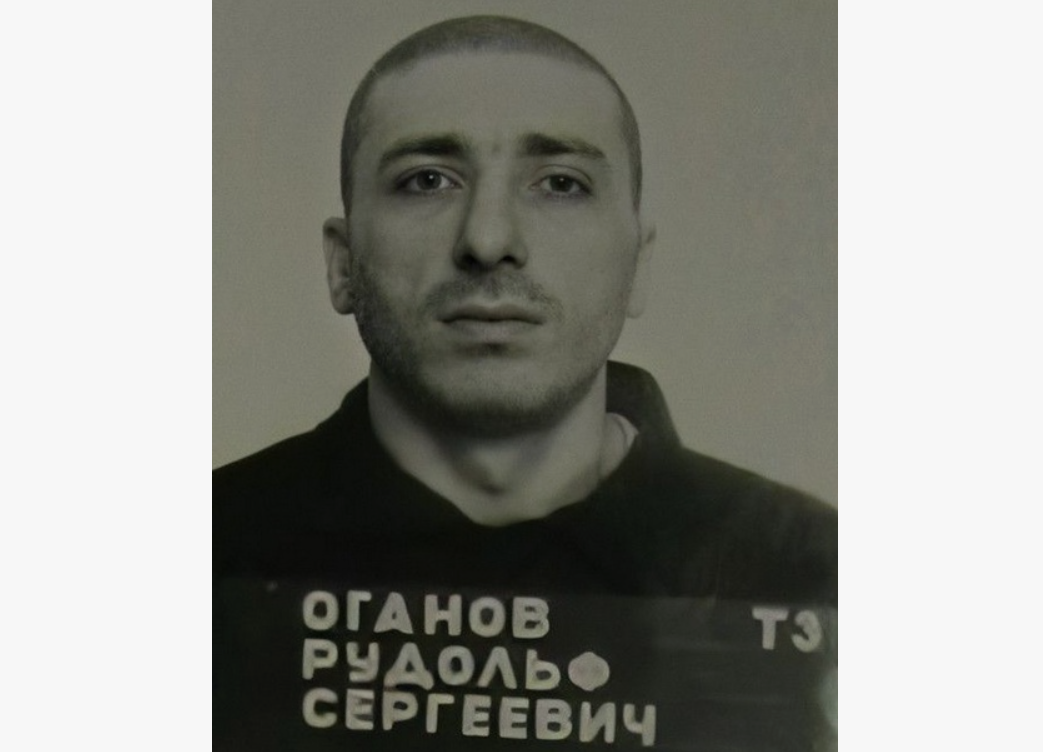
During and after the war years, the camps were effectively divided into two parts. The “black zones” were areas governed by criminal rules. The “red zones” were considered places dominated by collaborators with the prison administration. This division further intensified the violence. According to researchers, this confrontation resulted in the deaths of thousands of prisoners. Some sources also state that the camp administration deliberately deepened this conflict to maintain control and increase their influence over the inmates. As a result of the “War of Traitors,” the Soviet criminal world experienced significant fragmentation, and the once rigid and unchanging rules of the “thief in law” institution gradually began to weaken. This process later directly influenced the formation of the criminal hierarchy in the post-Soviet space. Although Shurik Yerevanski was active in the Soviet criminal hierarchy for many years, his status as a “thief in law” was revoked in 1992. This decision was made by Rudolf Oganov, known as “Rudik Bakinski,” a prominent figure in the post-Soviet criminal world. According to information, Oganov, who had considerable influence in the criminal world, later became a victim of a contract killing. His name was linked for many years to various criminal conflicts, including confrontations with the criminal authority known as “Ded Khasan.”